
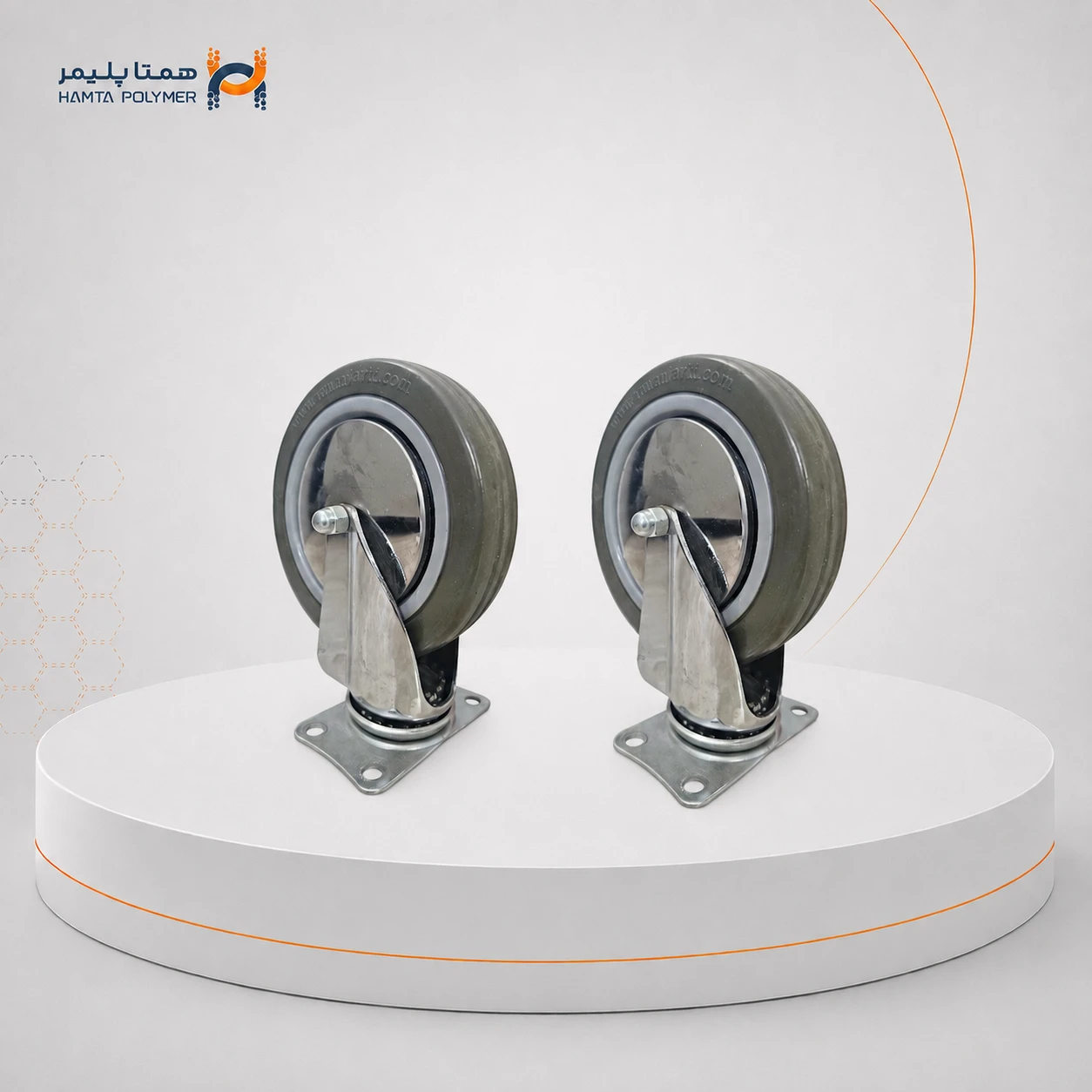
Oil, gas and process industries
Sealing discussions shaped by the service medium, temperature, pressure and real operating conditions.
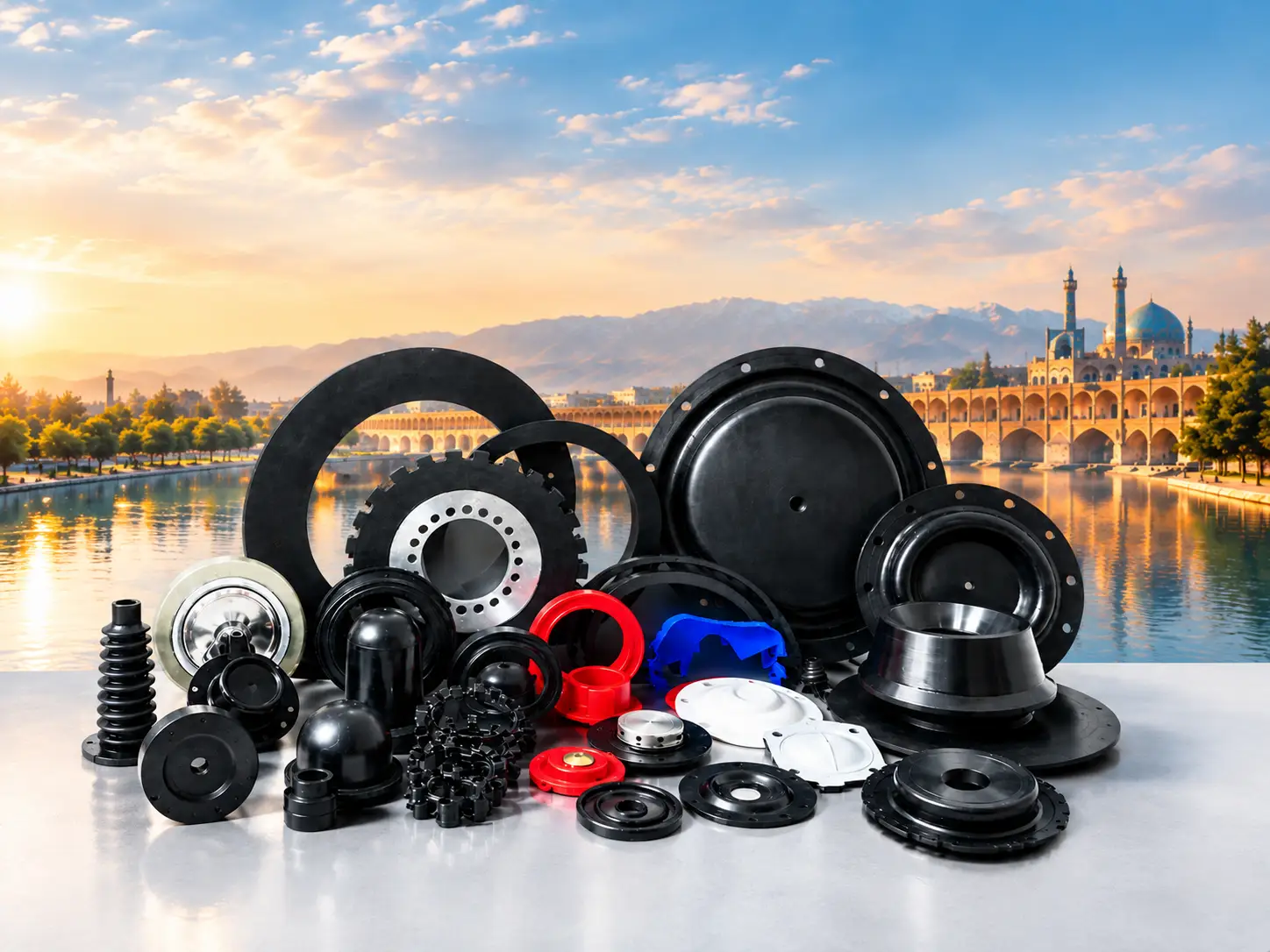
Industrial rubber and polymer components for sealing and equipment applications.
Organise application conditions before a material discussion.
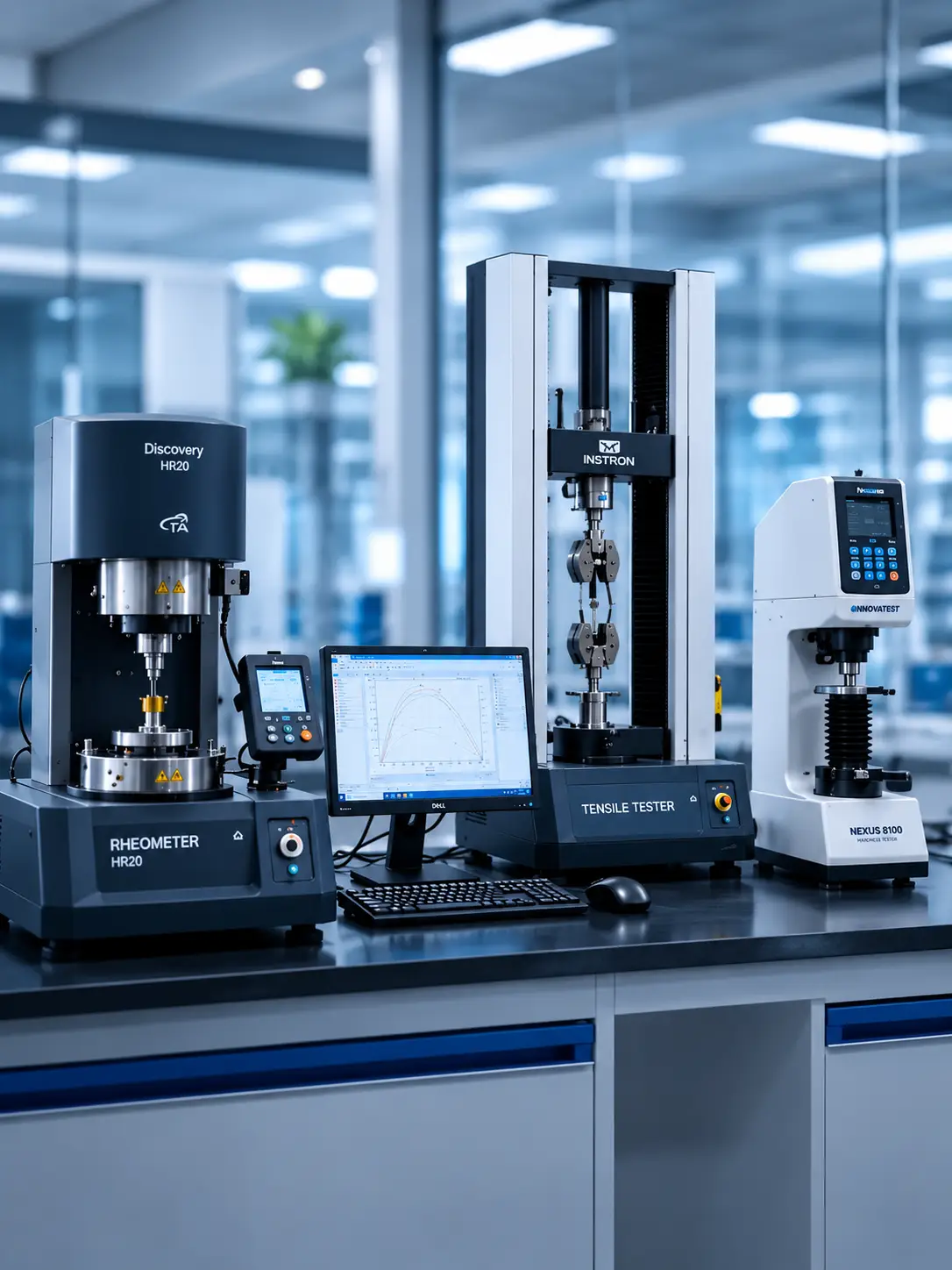
A clearer route from application conditions to a technical discussion.
Rubber and polymer components for sealing, equipment protection and industrial applications—developed around the operating conditions of each project.
Hamta Polymer Zayandeh Rood Industries works on rubber and polymer components for industrial environments. Our work begins with the conditions a part needs to withstand—not with a generic material label.
We bring product geometry, elastomer selection and manufacturing considerations into one technical conversation, helping customers define the information needed for a practical next step.
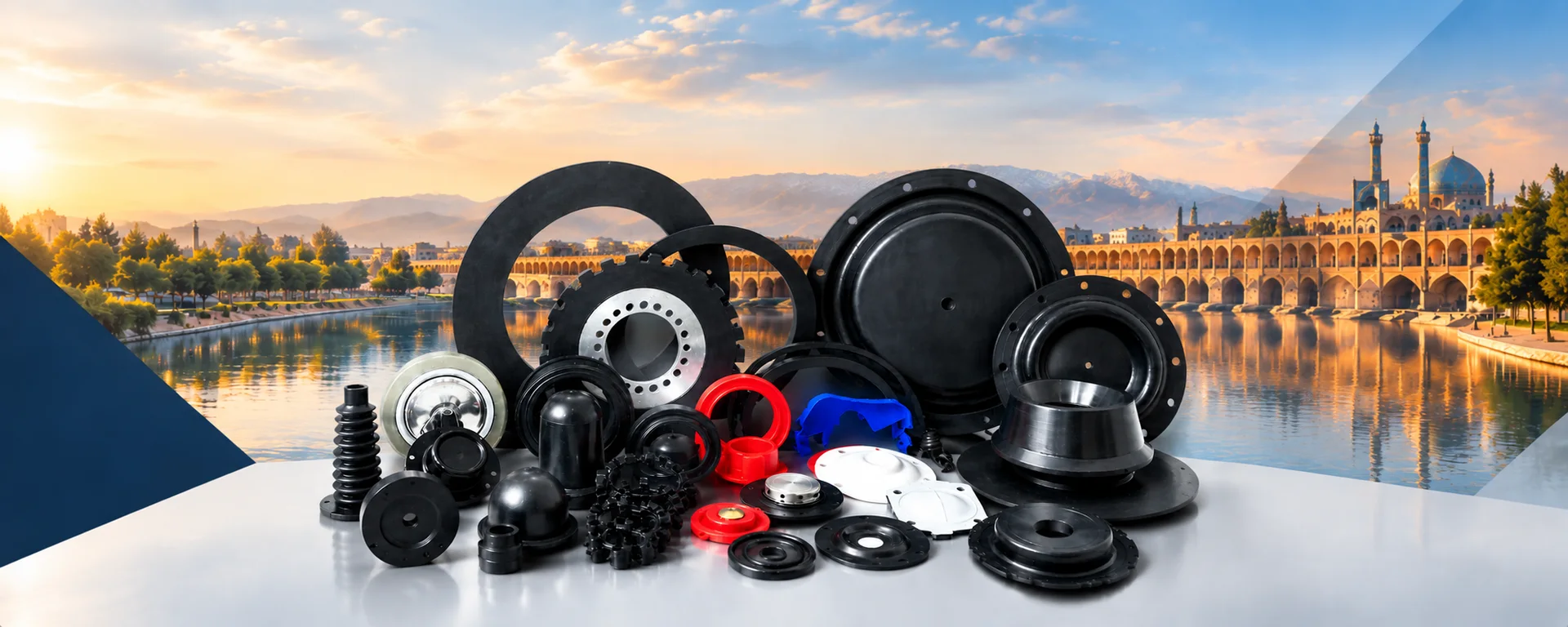
The product range spans sealing components, protective and vibration-control parts, rubber-to-metal assemblies and project-specific parts where the application calls for a tailored approach.
For material discussions, technical identifiers such as NBR, EPDM, FKM, VMQ, PTFE, ASTM, ISO, DIN and AS568 remain precise and unchanged across languages.
To help industrial teams move from an operating requirement to a well-defined rubber or polymer component brief, with clear technical language and realistic next steps.
We value accurate inputs, practical collaboration and component decisions that respect the actual operating environment.
Browse the available product categories and use the enquiry route when your requirement is project-specific.
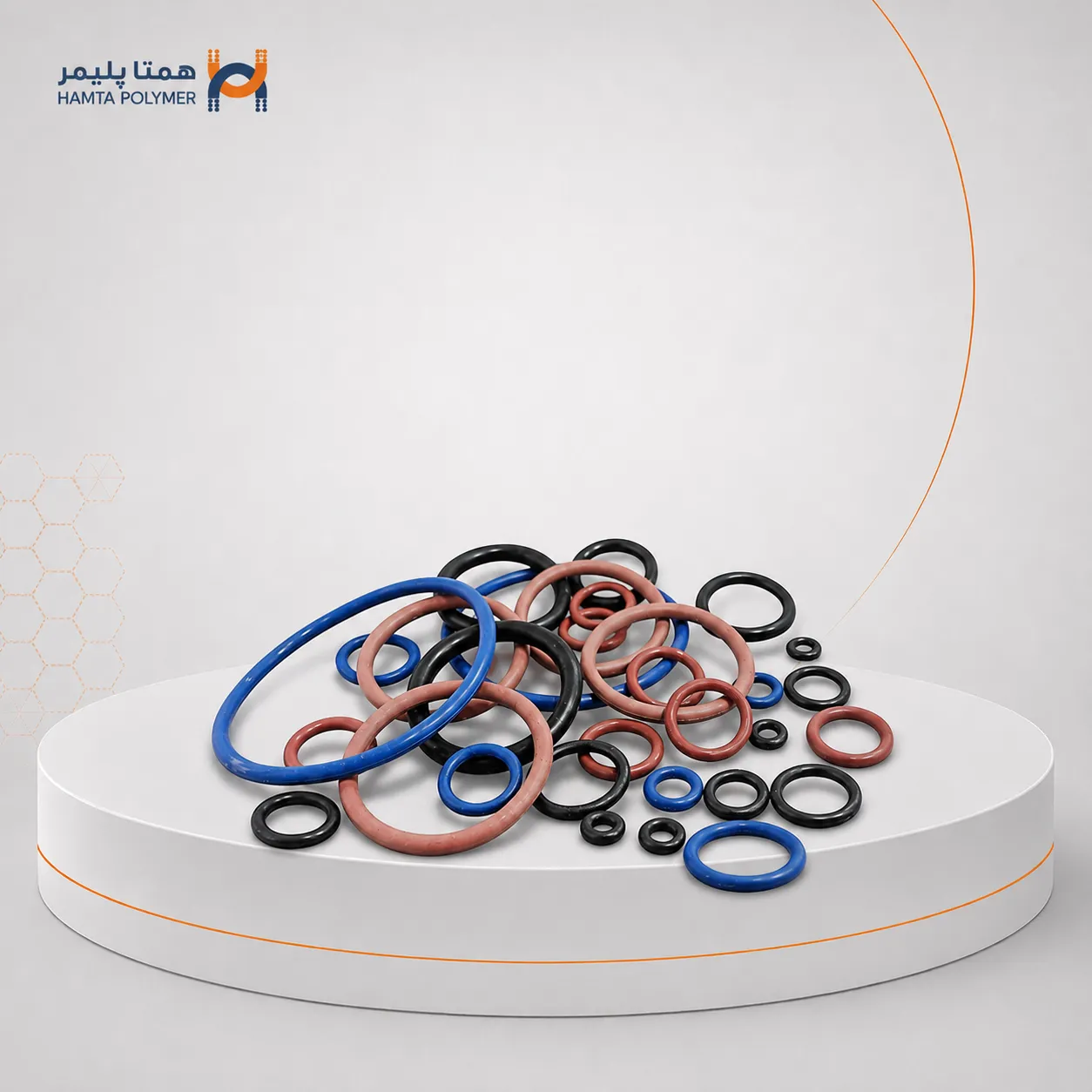 7 reference images
Precision elastomer O-rings for industrial sealing
Enquire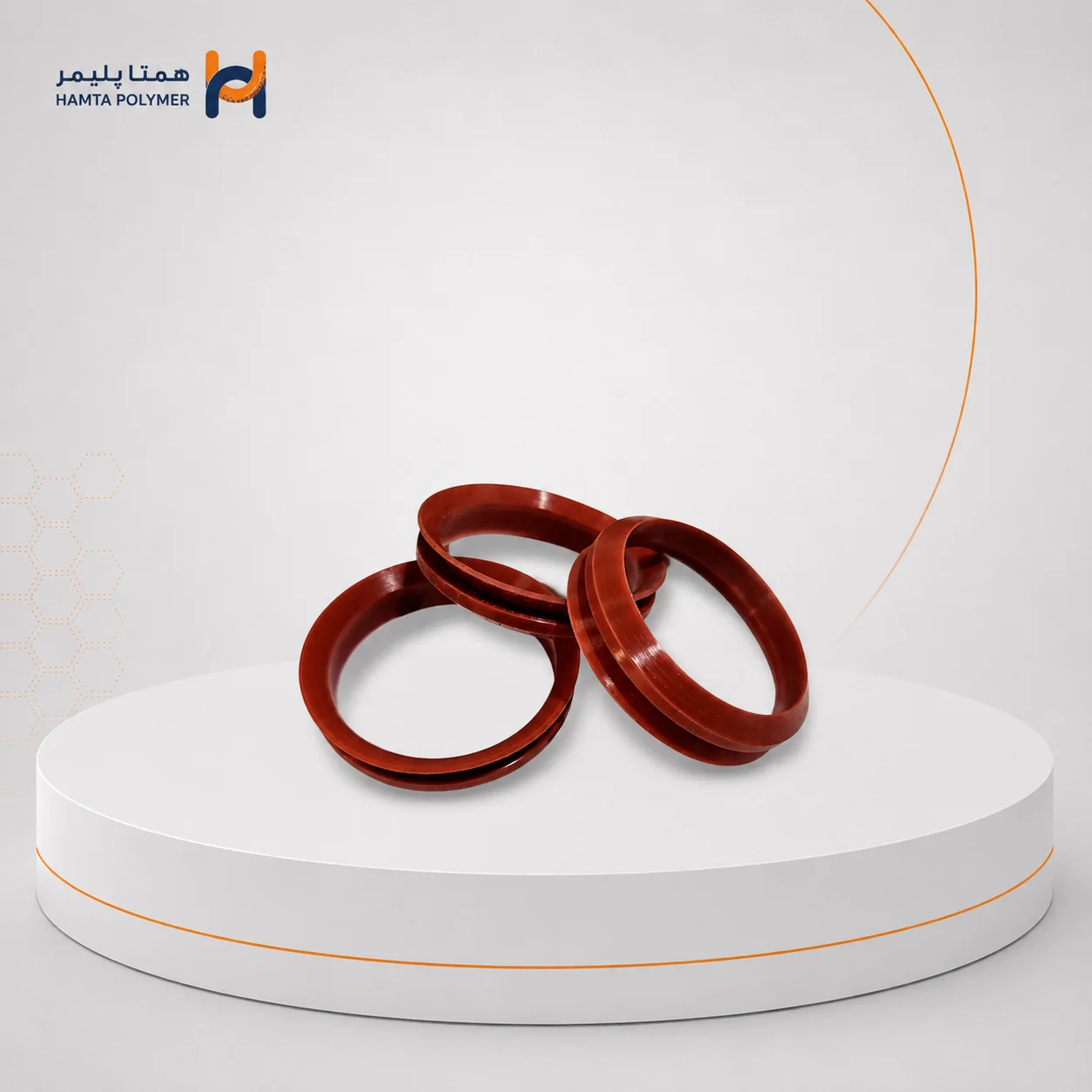 7 reference images
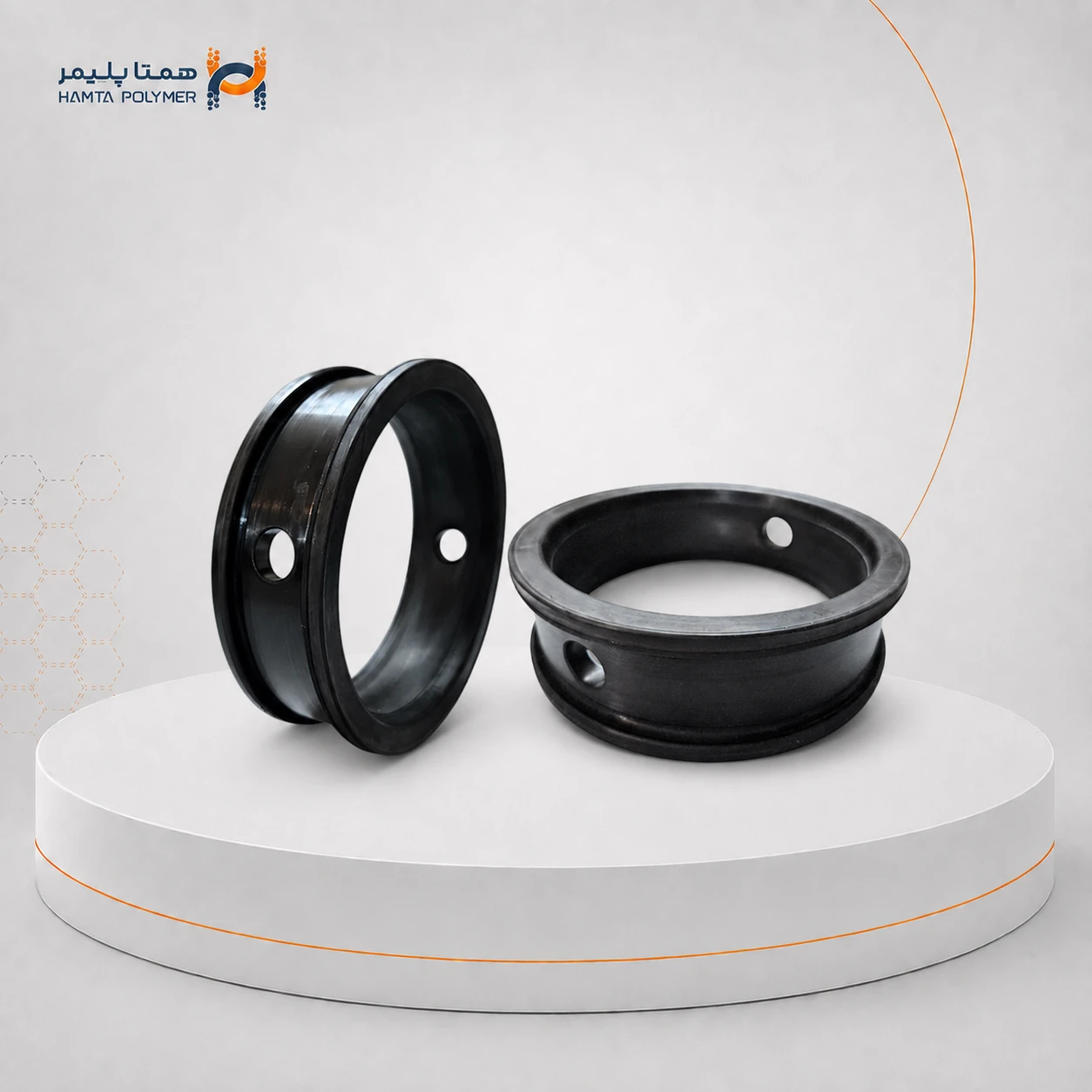
Rubber packing, seals and gaskets for industrial equipment
Enquire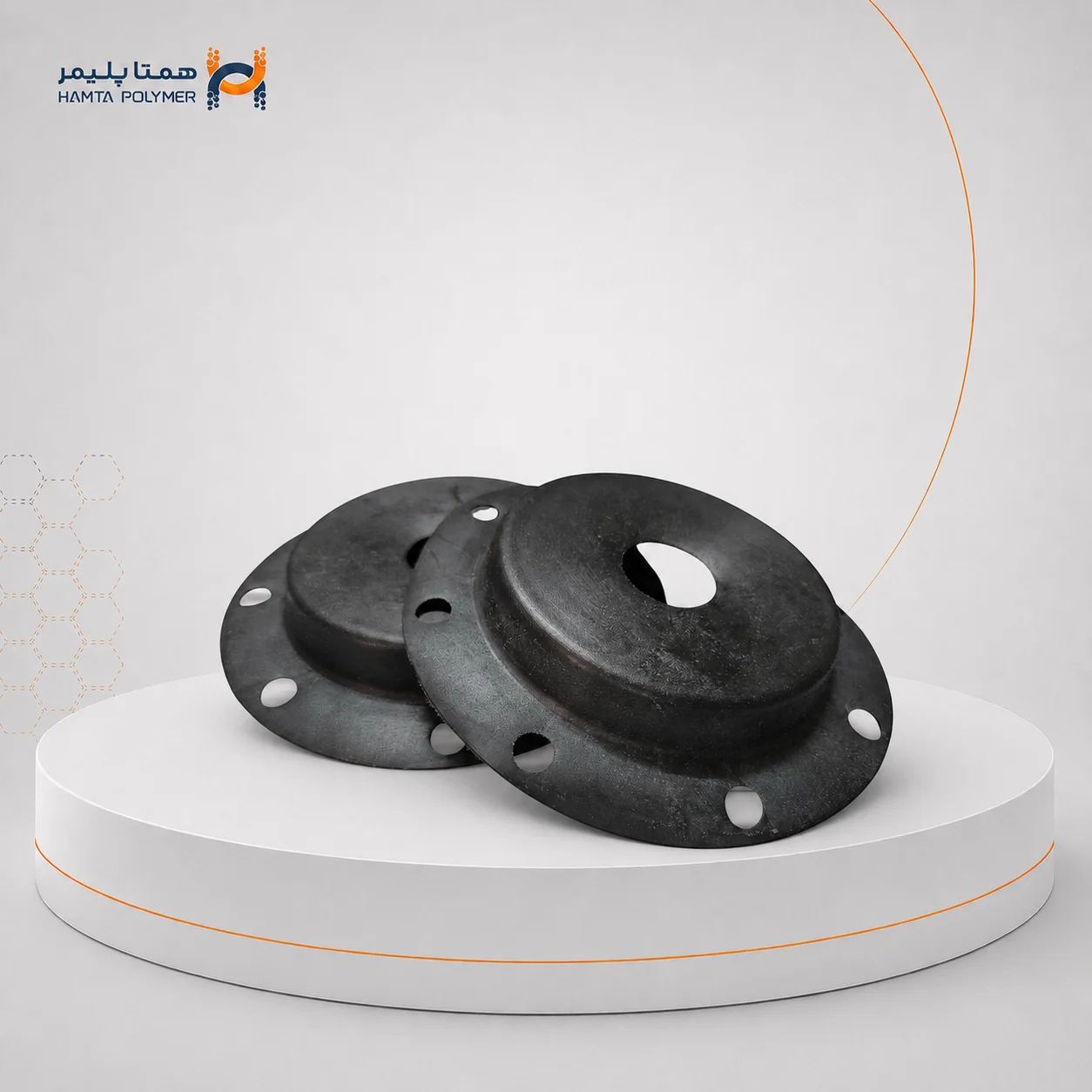 8 reference images
Flexible diaphragm membranes for pumps and valves
Enquire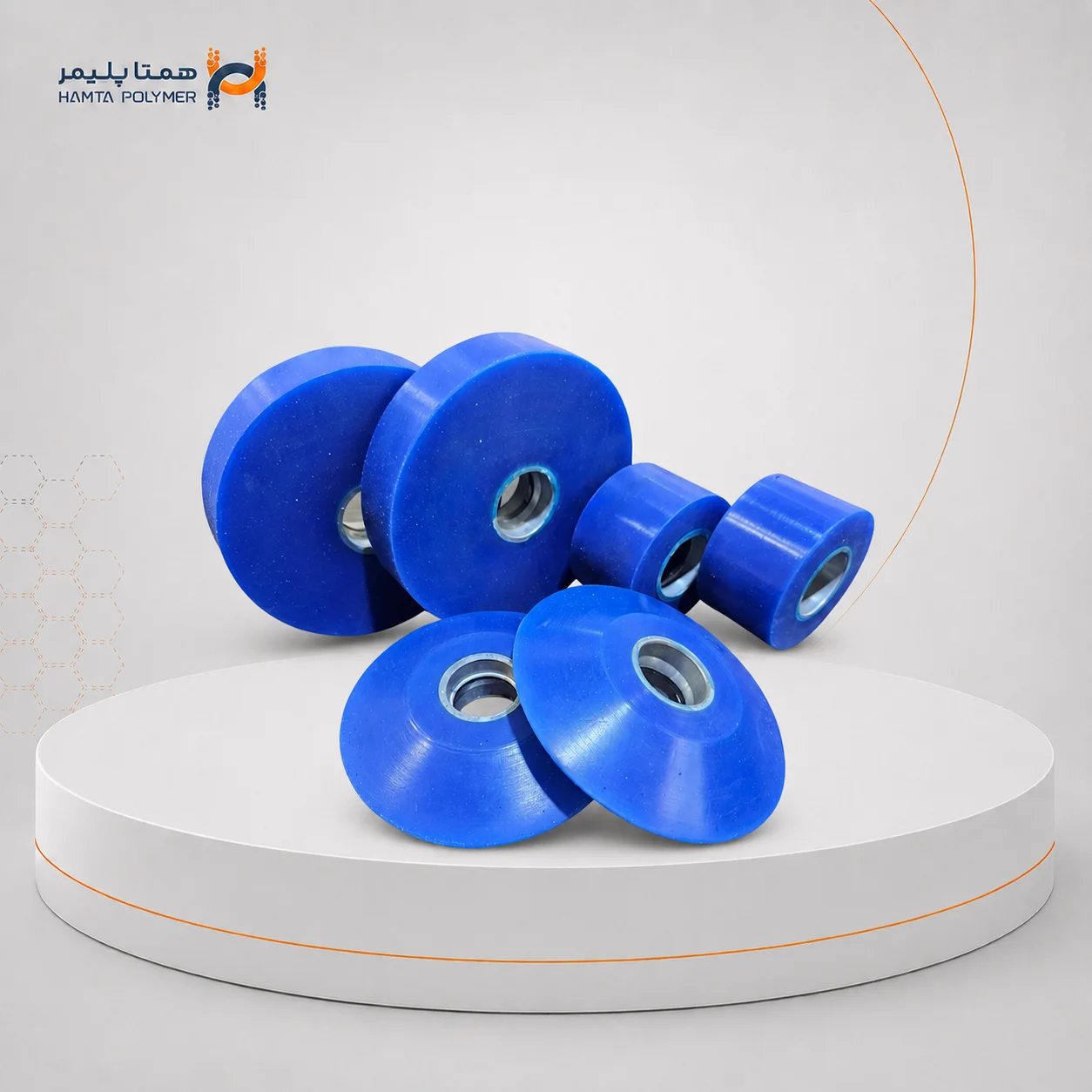 2 reference images
Rubber- and polyurethane-coated industrial rollers
Enquire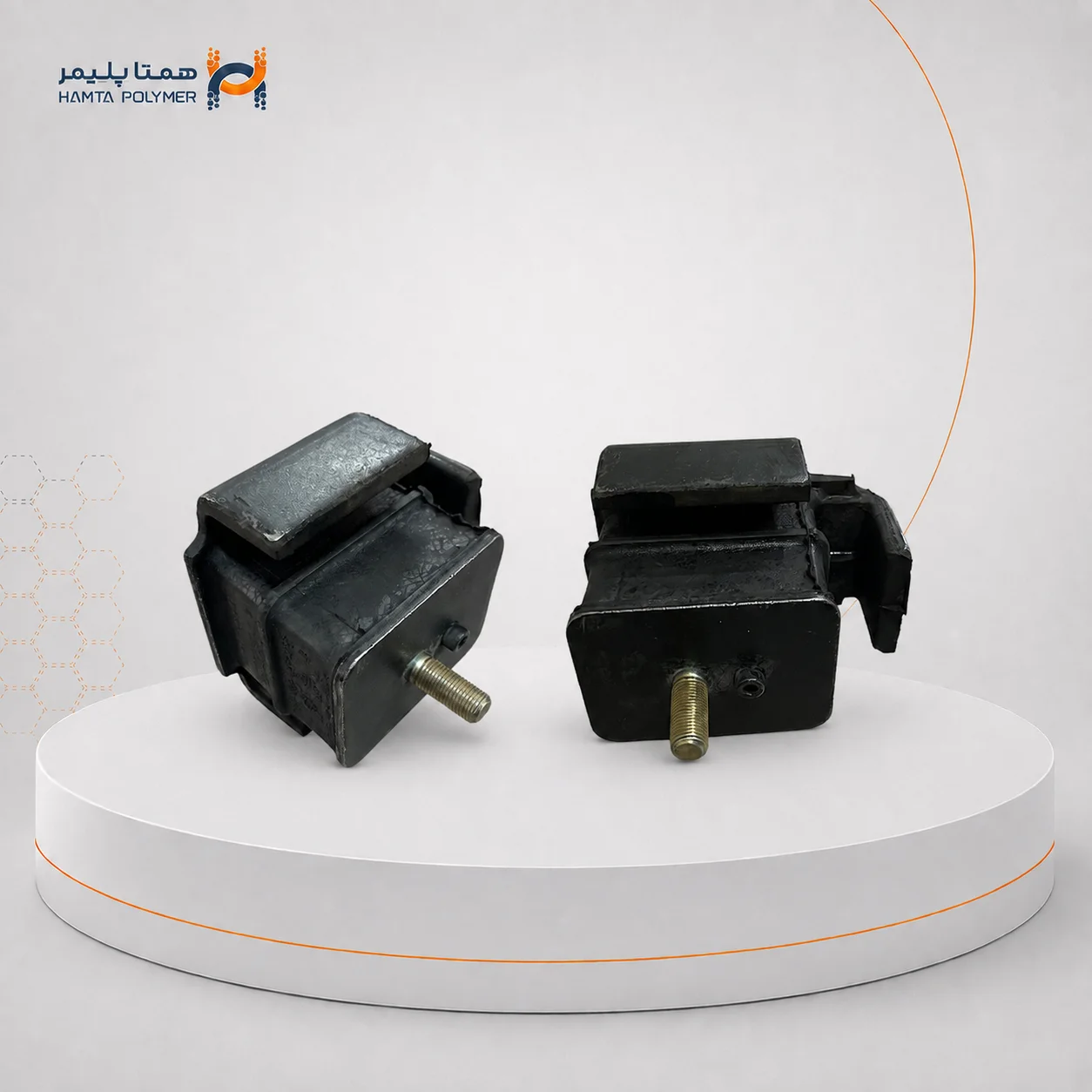 8 reference images
Rubber dampers, mounts and isolation pads
Enquire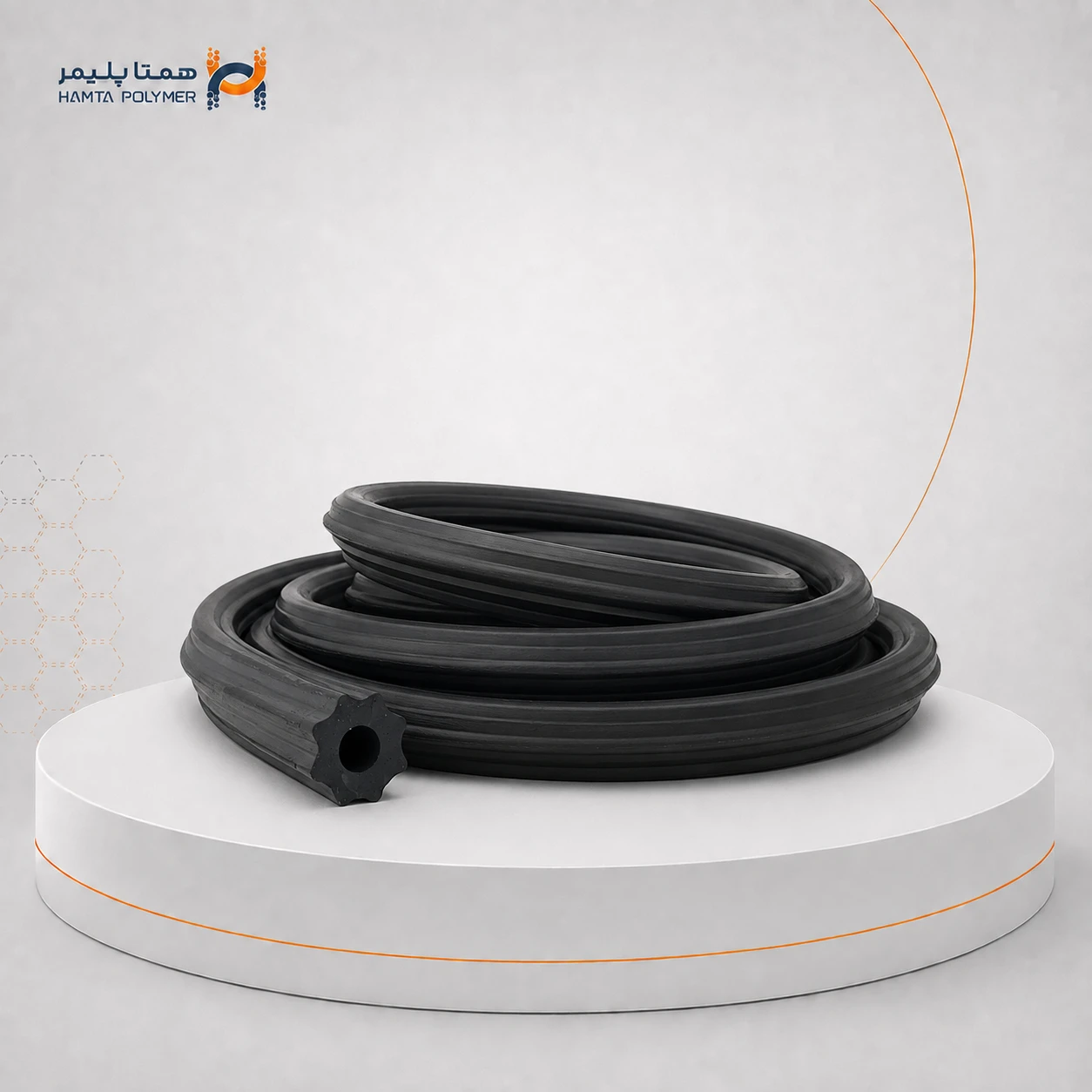 6 reference images
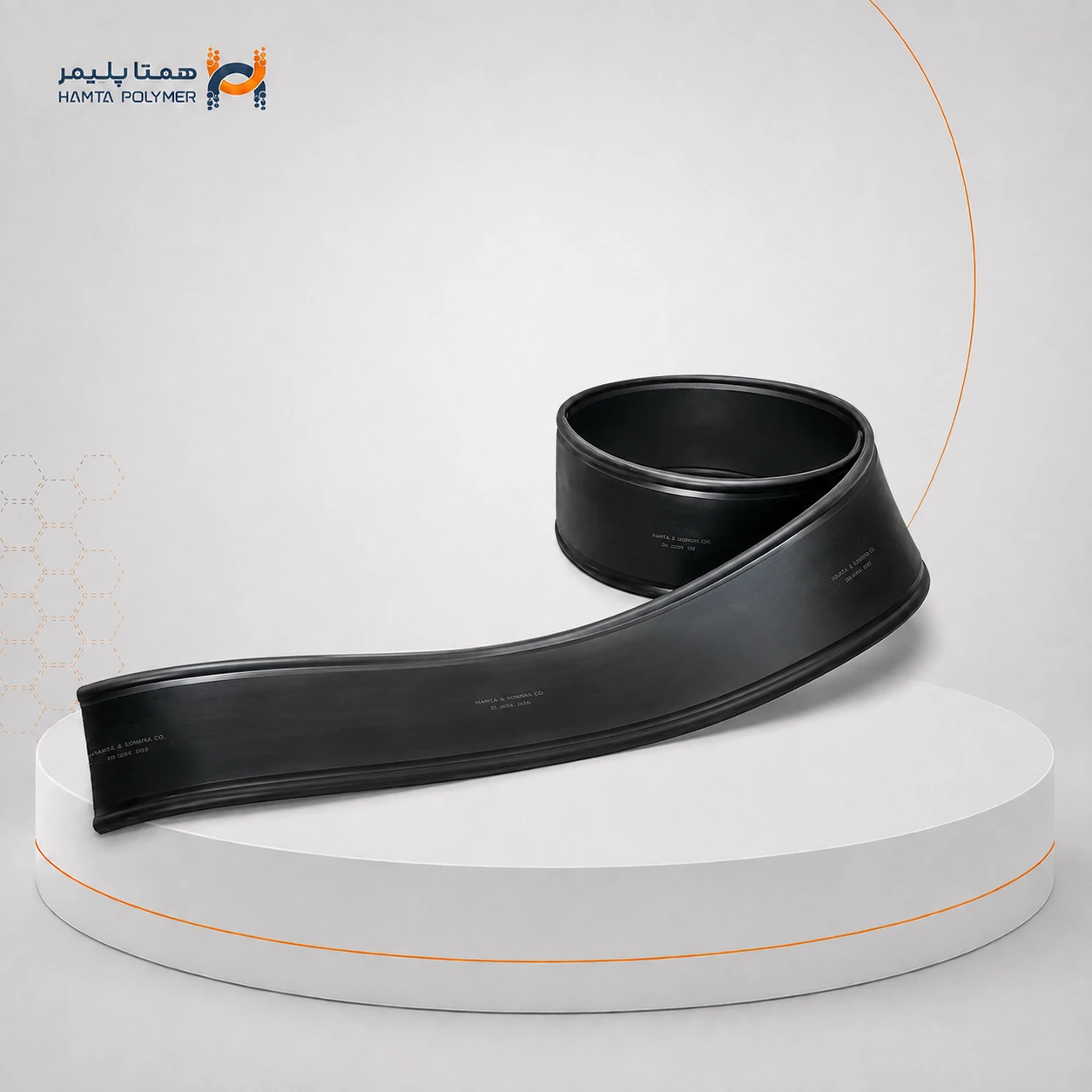
Long rubber strips and extruded industrial profiles
Enquire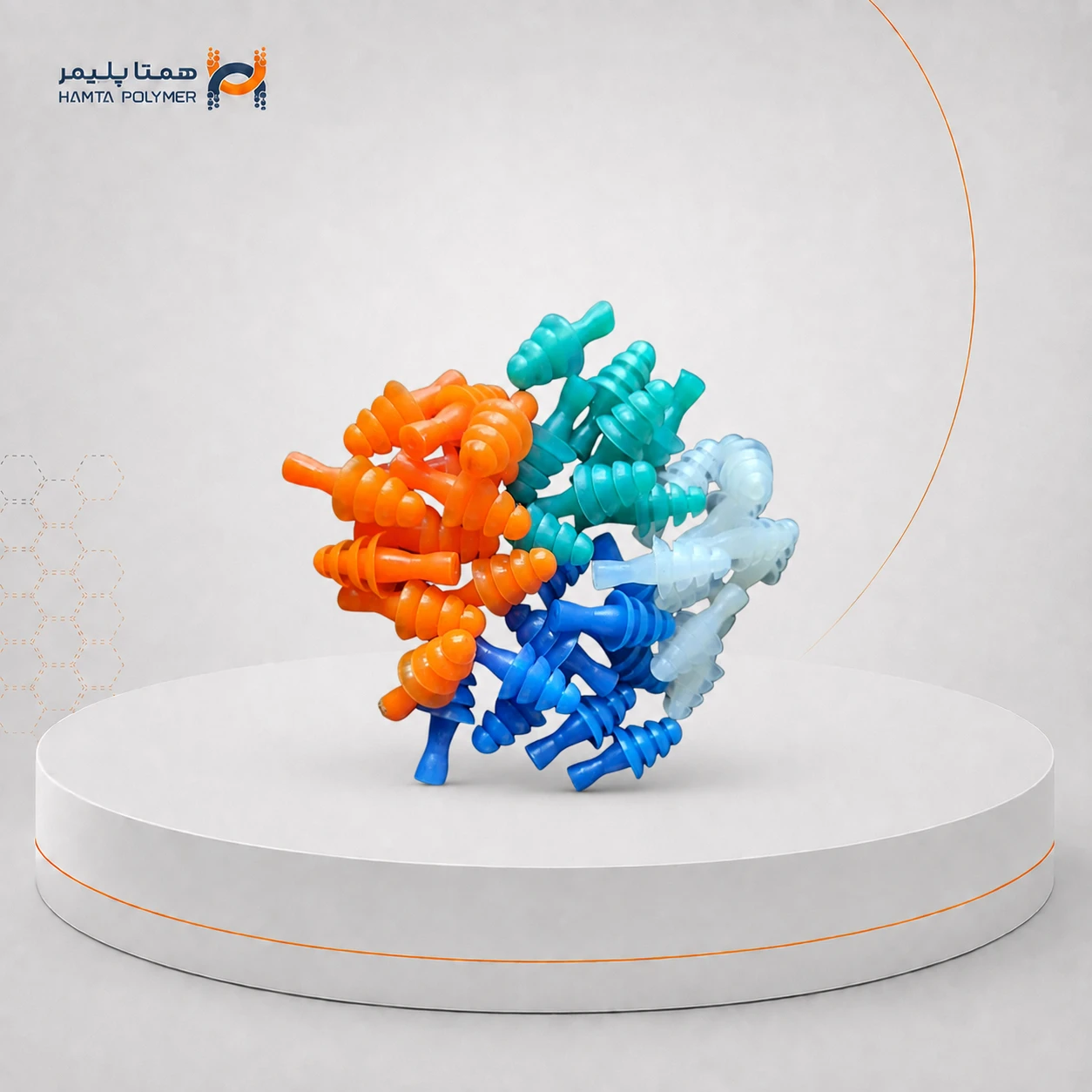 13 reference images
Silicone components for heat, hygiene and insulation
Enquire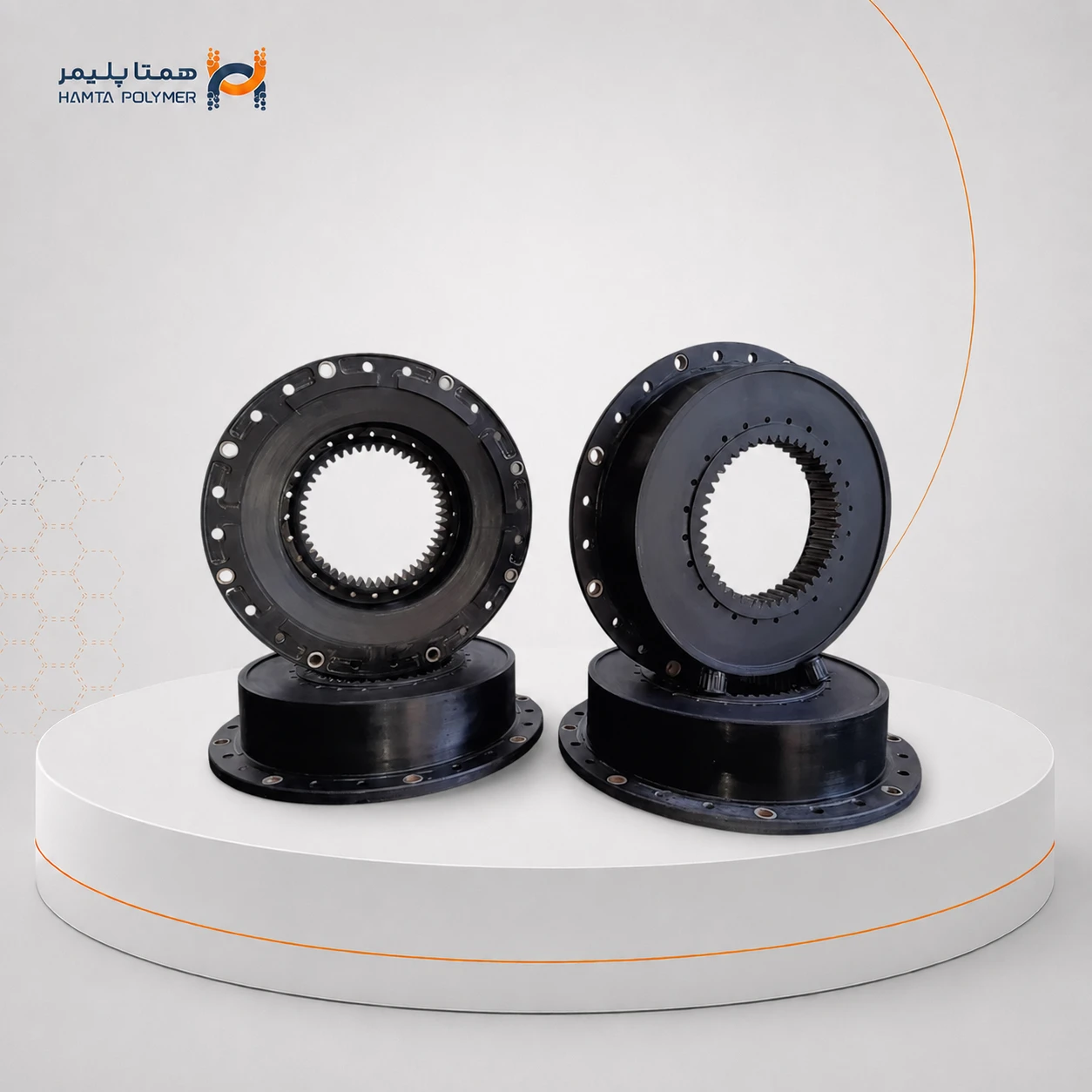 4 reference images
Flexible elastomer couplings for shafts and drives
Enquire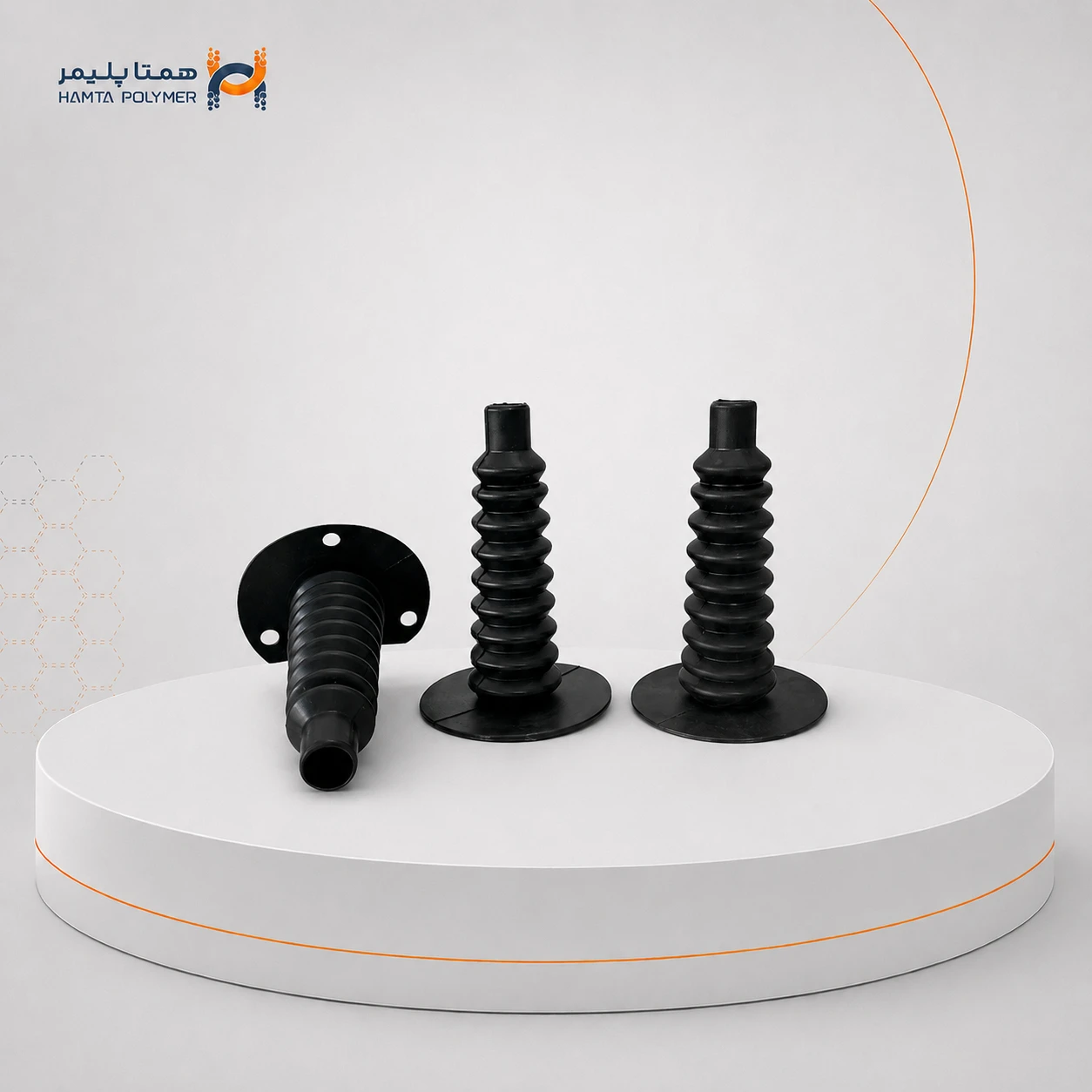 2 reference images
Protective rubber boots and bellows for shafts
Enquire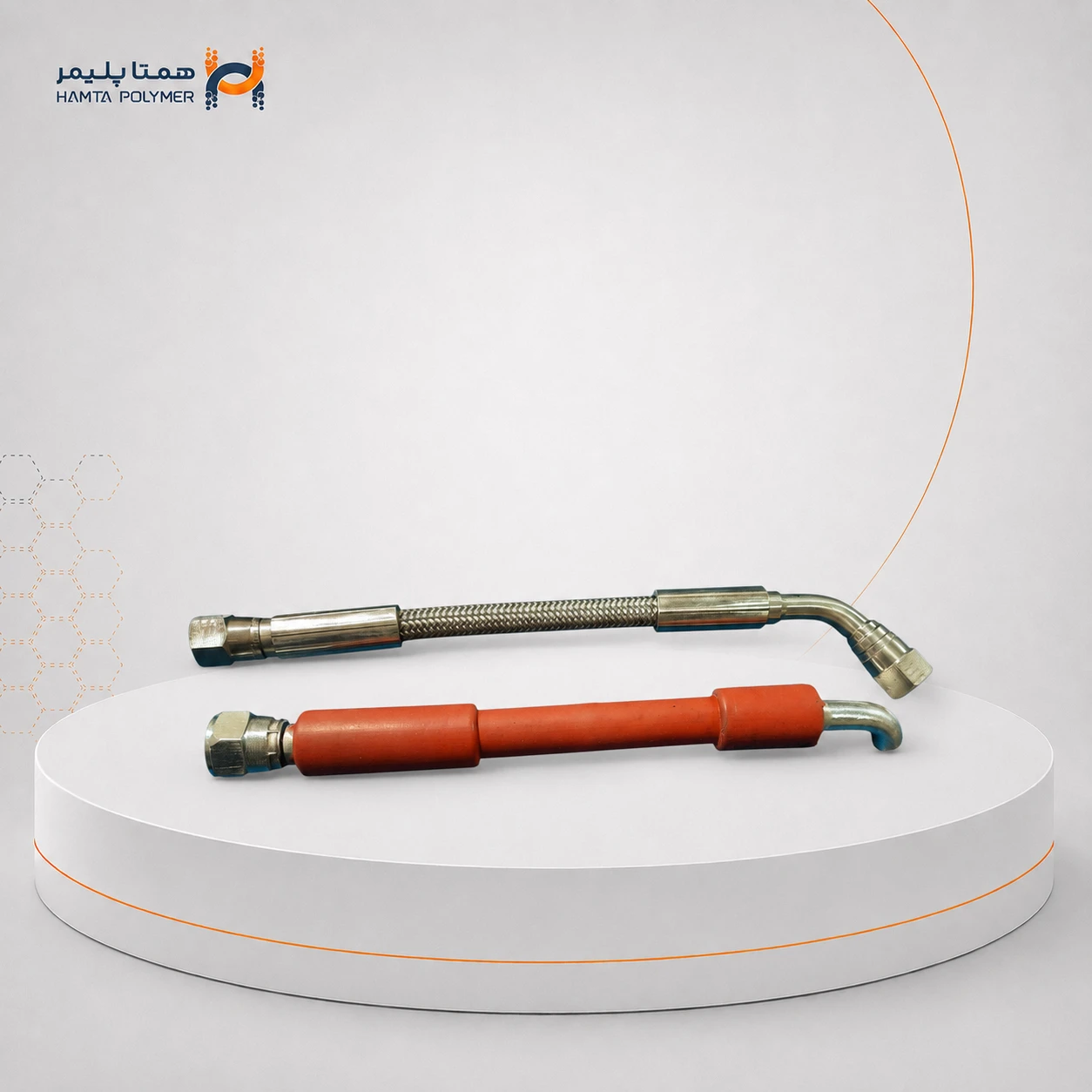 6 reference images
Bonded rubber-to-metal assemblies
Enquire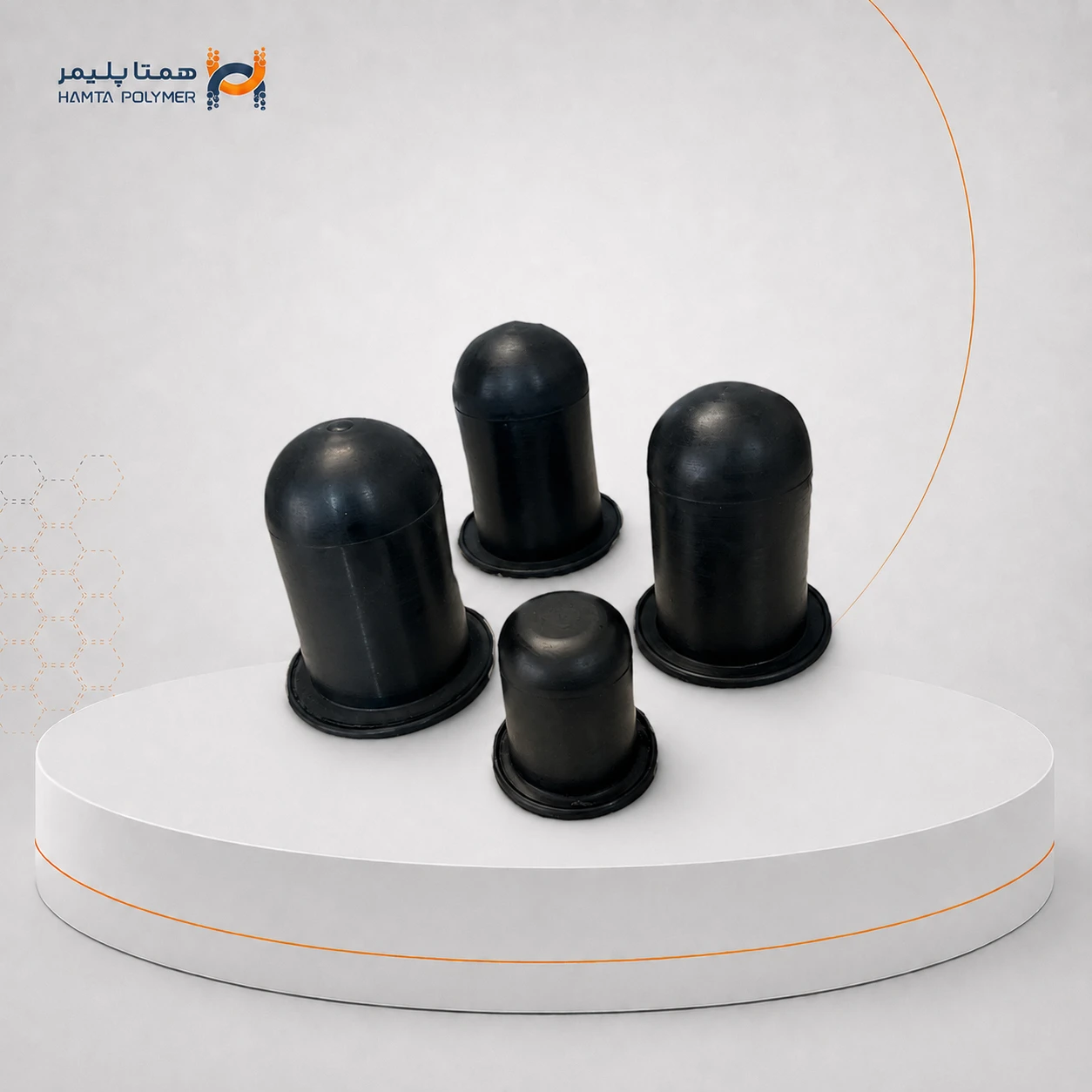 10 reference images
Other molded rubber and polymer components
EnquireCapture the main application conditions first. This helps structure a productive discussion about the appropriate elastomer family and component requirements.
Material families are discussed against the application, operating medium and service conditions—not as a generic product promise.
nitrile butadiene rubber
hydrogenated nitrile butadiene rubber
ethylene propylene diene rubber
natural rubber
styrene butadiene rubber
fluoroelastomer
silicone rubber
chloroprene rubber
fluorosilicone rubber
polytetrafluoroethylene
Blended elastomer systems may be considered where the application requires a specific balance of properties.
Explore common industrial contexts where sealing, protection, vibration control or component geometry shape the material conversation.
Sealing discussions shaped by the service medium, temperature, pressure and real operating conditions.
Component requirements for equipment exposed to water, humidity and changing environmental conditions.
Sealing, protection, impact and movement-control needs across stationary and moving equipment.
Rubber components considered against movement, vibration and the operating conditions of the assembly.
Vibration-control and sealing discussions for joints, gaps and mechanical equipment.
Component discussions for impact, vibration and wear-related conditions in industrial machinery.
Share a drawing, image or sample so the component context and material conversation can be defined clearly.
A useful enquiry describes the application, not only the requested part name.
Material discussions can begin with families such as NBR, EPDM, FKM and VMQ, then be refined against the actual operating conditions.
Yes. A drawing, sample, dimensions and application context help define a useful technical discussion.
Share the expected quantity or project context. The appropriate commercial and technical next step depends on the component and requirement.
Include the medium, temperature, pressure, movement, dimensions and any installation constraints that are known.
Yes. A drawing, image or sample can make the component brief clearer for the technical discussion.
Use technical articles as a starting point, then confirm component-specific requirements with the project team.
Share the part, operating conditions and any drawing or sample information available. We will use it to prepare the next technical discussion.
Online form submission is temporarily unavailable while the international privacy and data-processing path is being finalized. You can still contact Hamta Polymer directly by phone or email.
Please do not send confidential drawings or personal information by email unless it is necessary for your enquiry.