Hamta Polymer
Products
Compound datasheetsSpecialized laboratory
Contact usSmart assistant
Request a consultation
Speak with our teamTechnical enquiry
Home
Products
Contact us
Datasheets
👥About us🖼️Image gallery⚙️Services📰Articles✅Advantages📞Contact us

Technical enquiry

Discuss your application context

Technical discussion

Project-specific component support

HomeRubber Compound Selection Assistant

Precise rubber compound selection
powered by smart analysis

Analysing 13 compounds by temperature, chemical media, environment and application — find the right rubber in under 2 minutes

Full analysis: the most accurate result in 6 steps · Quick analysis: temperature and contact media only

13
compound types
15
industries covered
17
chemical parameters
95%
recommendation accuracy
Free
No usage limit

What Is a Rubber Compound?

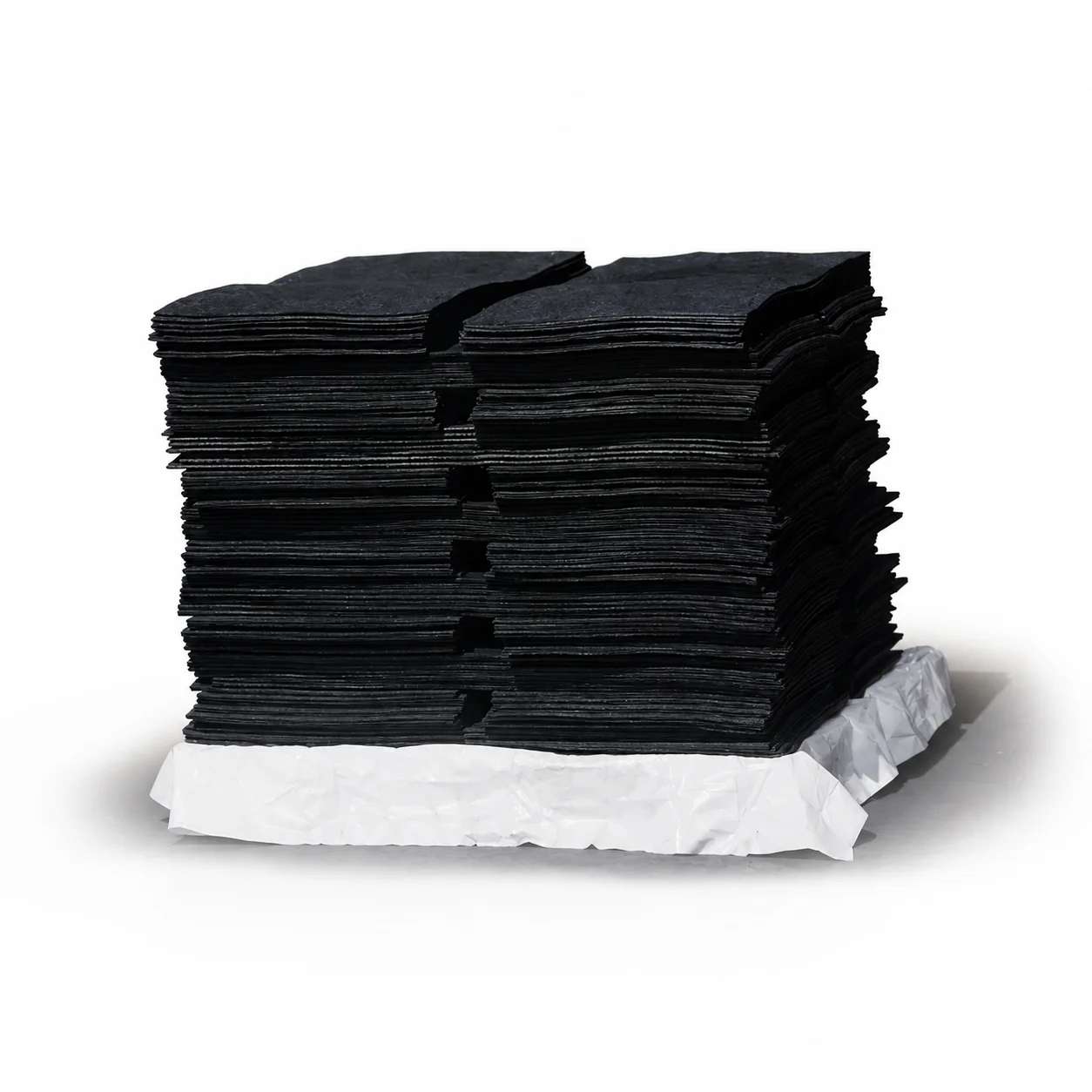
A rubber compound is the final, cure-ready formulation of an elastomer polymer combined with additives, engineered to reach specific technical properties — hardness, chemical resistance, heat resistance or abrasion resistance. A typical rubber compound starts from a base polymer (such as NBR, EPDM, silicone or natural rubber), then adds reinforcing fillers (carbon black or silica), plasticizers, a curing system (sulfur or peroxide) and stabilizers. Choosing the right rubber compound has to happen before any rubber part is produced — from O-rings and gaskets to hoses, oil seals and vibration mounts — because the wrong material will swell, harden, crack or leak prematurely in real service conditions, even when its dimensions are perfect.

Industrial rubber compound sheets ready for production at Hamta Polymer

Why Getting the Rubber Compound Wrong Is Expensive

On most industrial projects, the cost of the rubber part itself is small next to the cost of a production-line stoppage, a fluid leak or repeated part replacement. A rubber compound that isn't matched to the operating temperature or the chemical it contacts typically loses its properties far sooner than its expected service life. Surface cracking from ozone exposure, swelling and softening from oil or solvent contact, and hardening or brittleness at high temperature are the most common signs of a wrong compound choice — signs we break down in full in our guide, Causes of Leakage, Cracking and Drying of Rubber Parts. Hamta Polymer's smart assistant exists to remove that risk: instead of choosing a compound by habit or guesswork, it bases its recommendation on engineering reference data.

How the Rubber Compound Selection Assistant Works

Choosing the right rubber compound for an industrial part depends on several technical parameters at once: the operating temperature range, the chemicals the part will contact, the environmental conditions (ozone, sunlight, abrasion) and the industry it serves. Hamta Polymer's smart assistant runs these parameters against a technical database of 13 industrial compounds and, in a few simple steps, recommends the best options with a clear match percentage.

Step 1

Define your operating conditions

Select the industry, component type, operating temperature range and the media the part will be in contact with.

Step 2

Add your technical requirements

Specify any required certifications (food contact, medical grade, potable water) and whether cost or performance matters more to you.

Step 3

Automatic scoring and analysis

The scoring engine rates every compound on temperature, chemical resistance, environment and application, and rules out unsuitable options with a stated reason.

Step 4

Compare the best matches

See a ranked shortlist, compare up to 3 compounds side by side, and open the full technical datasheet for each.

Compound Selection Guide by Industry

Most industries are well served by just a handful of compounds. The table below is a quick overview — for a precise, ranked recommendation matched to your exact component and project conditions, use the assistant's full analysis.

🚗

Automotive

Engine components, fuel systems, brakes, sealing strips, vibration mounts

NBREPDMFKMHNBRCR
⚙️

Hydraulic & Pneumatic

O-rings, hoses, cylinders, diaphragms, shaft seals

NBRFKMHNBRPU
🛢️

Oil & Gas

Wellhead sealing, packing, oil-transfer hoses, high-pressure O-rings

FKMHNBRNBR
🏭

Petrochemical

Tank lining, chemical-resistant O-rings, chemical-transfer hoses

FKMHNBREPDM
🛞

Tire Manufacturing

Tire tread, sidewalls, inner liners, passenger and industrial tires

BRSBRNRNR/SBRNR/SBR/PBR
⛏️

Conveyor & Mining

Conveyor belts, liners, gaskets, wear-resistant components

NRSBRBRNR/SBR/PBRCR
🏗️

Construction

Sealants, expansion joints, window seals, moisture insulation

EPDMCRSBR
🍽️

Food & Beverage

Food-equipment gaskets, milk-transfer tubing, molds, gloves

VMQEPDMFKM
🏥

Medical & Pharma

Medical tubing, pacifiers, catheters, pharmaceutical O-rings

VMQ
⚡

Electronics

Wire insulation, keypads, IP-rated O-rings, cable jacketing

VMQEPDMCRNBR/PVC
💧

Water Treatment

Valve gaskets, pump O-rings, piping, diaphragms

EPDMNBRVMQ
✈️

Aerospace & Defense

Jet-fuel sealing, hydraulic systems, aircraft components

FKMVMQFVMQ
🌾

Agriculture

Irrigation hoses, machinery tires, tractor O-rings

NREPDMNBRSBR
🏠

Home Appliances

Washing-machine gaskets, refrigerators, dishwashers, ovens

VMQEPDMNBR
🔧

General Industrial

General components, gaskets, O-rings, industrial hoses

NBRSBRCREPDM

Compounds Covered in the Assistant's Database

The assistant's database covers 13 common industrial rubber compounds, built on engineering reference sources including ASTM D2000, SAE J200 and the Parker O-Ring Handbook. A full technical datasheet — hardness range, tensile strength and chemical resistance — is available for each.

🔘
BR

Polybutadiene Rubber

Polybutadiene Rubber (BR / PBR)

The most affordable synthetic rubber, with outstanding abrasion resistance and excellent low-temperature flexibility. Rarely used alone — mainly blended with NR or SBR for tires and conveyor belts.

🔵
SBR

Styrene Butadiene Rubber

Styrene Butadiene Rubber (SBR)

The world's most widely used synthetic rubber and a cost-effective alternative to natural rubber, with excellent abrasion resistance. A default choice for tires, conveyor belts and general industrial parts.

View the full SBR datasheet
🌿
NR

Natural Rubber

Natural Rubber (Polyisoprene)

Tapped from the rubber tree, natural rubber offers the best overall mechanical properties: high tensile strength, excellent tear resistance and outstanding fatigue life. A first choice for vibration mounts and heavy dynamic parts.

View the full NR datasheet
🔀
NR/SBR

NR-SBR Blend

Natural Rubber / SBR Blend

An economical blend of natural rubber and SBR that combines NR's mechanical properties with SBR's abrasion resistance and lower cost. The most widely used blend in the tire industry.

View the full NR/SBR datasheet
🛢️
NBR

Nitrile Rubber

Nitrile Butadiene Rubber (Buna-N)

The industry standard for oil and fuel resistance, and the most widely used elastomer in hydraulic, automotive and general industrial systems. Higher ACN content means better oil resistance.

View the full NBR datasheet
🩺
VMQ

Silicone Rubber

Vinyl Methyl Silicone (VMQ)

An exceptionally wide service-temperature range (-55°C to 220°C), making it ideal for food, medical and extreme-temperature applications. Biologically inert, with no taste or odor.

View the full VMQ datasheet
☀️
EPDM

EPDM Rubber

Ethylene Propylene Diene Monomer

The top choice for outdoor and water-based systems, with outstanding resistance to ozone, UV, steam and polar chemicals. Ideal for building and automotive sealing.

View the full EPDM datasheet
🔮
NBR/PVC

NBR-PVC Blend

Nitrile / PVC Blend

An NBR/PVC alloy that combines NBR's oil resistance with PVC's better ozone and flame resistance.

View the full NBR/PVC datasheet
🔥
CR

Neoprene

Polychloroprene (Neoprene)

An all-round rubber with a good balance of properties: reasonable resistance to oil, weathering and flame. The world's first commercially produced synthetic rubber.

View the full CR datasheet
💎
FKM

Viton / FKM

Fluoroelastomer (Viton®)

A premium rubber with exceptional chemical and heat resistance — the gold standard for demanding seals in oil & gas, petrochemical and automotive applications.

View the full FKM datasheet
⚡
HNBR

Hydrogenated Nitrile

Hydrogenated Nitrile Butadiene Rubber

An upgraded version of NBR with far better heat and ozone resistance. The most expensive compound in the lineup, delivering premium performance in automotive timing belts and oil-well sealing.

View the full HNBR datasheet
✈️
FVMQ

Fluorosilicone Rubber

Fluorosilicone Rubber (FVMQ)

A specialized compound pairing low-temperature flexibility with better fuel and oil resistance than standard silicone; suited to aerospace, automotive and specialty industrial seals.

View the full FVMQ datasheet
🔁
NR/SBR/PBR

NR-SBR-PBR Ternary Blend

Natural Rubber / SBR / Polybutadiene Ternary Blend

A ternary blend with high resilience, abrasion resistance and dynamic properties; used in tire treads and sidewalls, heavy-duty conveyor belts and parts under cyclic loading.

View the full NR/SBR/PBR datasheet

Quick Comparison Table of Common Rubber Compounds

Before running the full wizard, use this table to compare the working-temperature range, price tier and standout property of common compounds at a glance. For a precise, ranked recommendation matched to your own project conditions, use the smart assistant above.

CompoundFull nameTemperature range (°C)Price tierKey property
BRPolybutadiene Rubber-45 – 100EconomyBest abrasion resistance and cold flexibility
SBRStyrene Butadiene Rubber-45 – 100EconomyWorld's most-used synthetic rubber; economical NR alternative
NRNatural Rubber-60 – 80EconomyHighest tensile strength and dynamic properties
NR/SBRNR-SBR Blend-30 – 85EconomyBalances NR's mechanics with SBR's low cost
NBRNitrile Rubber-40 – 120MediumIndustry standard for oil and fuel resistance
VMQSilicone Rubber-55 – 220MediumWidest temperature range; food and medical grade
EPDMEPDM Rubber-40 – 150MediumExceptional resistance to ozone, UV, water and steam
NBR/PVCNBR-PVC Blend-20 – 100MediumNBR's oil resistance plus better ozone and flame resistance
CRNeoprene-40 – 120Relatively highAll-round rubber with balanced properties
FKMViton / FKM-20 – 200PremiumGold standard for chemical and heat resistance in oil & gas
HNBRHydrogenated Nitrile-40 – 160PremiumUpgraded NBR for demanding heat and ozone conditions

Read More: Related Technical Guides

To go deeper on the differences between rubber compounds and how they hold up under specific conditions, read these technical guides on the Hamta Polymer blog.

NBR vs EPDM: What's the Difference and When Should You Use Each?

Silicone vs Viton: Comparing Heat-Resistant Rubber Above 180°C

Chemical & Acid-Resistant Rubber: Complete FKM vs EPDM vs NBR Comparison

Oil- and Fuel-Resistant Rubber: Best Materials for Gasoline, Diesel and Hydraulic Oil

Causes of Leakage, Cracking and Drying of Rubber Parts: Complete Troubleshooting Guide

Custom Rubber Parts: Quote Request and Ordering Guide

Need technical advice or a price quote?

If you'd like a closer review after the assistant's analysis, or a quote to produce a part in your selected rubber compound, Hamta Polymer's technical team is ready to help.

Contact our engineers

Frequently asked questions about the compound selection assistant

A rubber compound is the final, cure-ready formulation of an elastomer polymer (such as NBR, EPDM, silicone or natural rubber) combined with additives like fillers, plasticizers, curing agents and stabilizers, engineered to reach specific technical properties — hardness, chemical resistance, heat resistance or abrasion resistance. Choosing the right rubber compound is a prerequisite for producing any component such as an O-ring, gasket, hose or oil seal.

This tool is an engineering analysis system that scores the compounds in Hamta Polymer's technical database based on the industry, component type, operating temperature range, contact media and special requirements (such as food or medical approval), then shows the best options along with the reasons the other options were excluded.

Yes, the tool is completely free and requires no sign-up. You can use it as many times as you need, for as many different projects as you need.

HNBR is the hydrogenated version of NBR. Its more saturated structure gives it higher heat resistance, ozone resistance and mechanical strength than standard NBR, while oil resistance is similar for both. HNBR is typically chosen for more demanding conditions — higher temperature, more dynamic loading — and comes at a higher price.

For very high temperatures, FKM (Viton) and silicone are usually the main options. FKM has better chemical and oil resistance at high temperature, while silicone stays stable across a wider temperature range, both cold and hot, but with more limited chemical resistance. The exact choice also depends on the contact media, which the assistant checks for you.

Food-grade compounds such as silicone and EPDM are the most common choice for food contact and potable water. In the assistant's "Requirements and priorities" step you can specify FDA approval or a potable-water standard (WRAS/NSF 61) so only qualifying options are shown.

The assistant is designed to quickly filter options and explain the selection logic, and it is a strong starting point — but for critical projects or tight technical tolerances, we recommend finalizing the result with Hamta Polymer's engineers. A direct contact link is available below the results.

EPDM is specifically known for excellent resistance to ozone, UV and weathering, and is a common choice for outdoor seals and components. On the other hand it has poor oil and fuel resistance and is not suitable for petroleum-based environments.

On the result screen for each compound, the "Request a quote" button takes you to Hamta Polymer's contact form. You can also review more detailed technical specifications — hardness range, tensile strength and more — on the full datasheet for each compound before you get in touch.

Raw rubber — the base polymer, such as pure NBR or EPDM — cannot be used in an industrial component on its own; it lacks sufficient strength, hardness and resistance. A rubber compound is that same raw polymer after fillers, plasticizers and a curing agent are added and it goes through vulcanization, becoming a material with reliable engineering properties suitable for producing a component.

The price of a rubber compound mainly depends on the base polymer type (FKM and HNBR, for example, are considerably more expensive than SBR or NBR), the percentage and quality of additives, the required hardness and the order volume. For an accurate quote matched to your compound and order volume, contact Hamta Polymer's team through the contact page after receiving the assistant's recommendation.

There is no single best rubber compound for an O-ring — it depends entirely on the service conditions: NBR is the most common choice for O-rings in contact with oil and fuel, EPDM for water and steam, FKM for high temperatures and aggressive chemicals, and silicone is better suited to food and medical grades. By asking about your operating temperature and contact media, the assistant recommends the most accurate option for your O-ring.

Yes. In addition to the standard compounds covered in the assistant's technical database, Hamta Polymer can also formulate a custom rubber compound matched to a project's specific technical requirements — particular hardness, color or a specific approval. For these cases, treat the assistant's result as a starting point and coordinate the details with our technical team.

Hamta Polymer
Bale
+98 913 167 4055+98 933 991 7916+98 913 022 4055
HamtaPolymerco@gmail.comHamtaPolymer.Lab@gmail.com

Useful links

  • About us
  • Products
  • Specialized laboratory
  • Services
  • Contact us
Hamta Polymer specialized laboratory

Directions

Open in Maps ↗

Dowlatabad Industrial Area, Isfahan, Iran

© 2026 Hamta Polymer Zayandeh Rood Industries. All rights reserved.

Website designed and developed by the Hamta Polymer technical team