
Mechanical and performance properties
For strength, flexibility, hardness and response to load and wear.
From specimen preparation to the final report: specialist rubber and polymer testing under a documented programme with ASTM, ISO and DIN references.
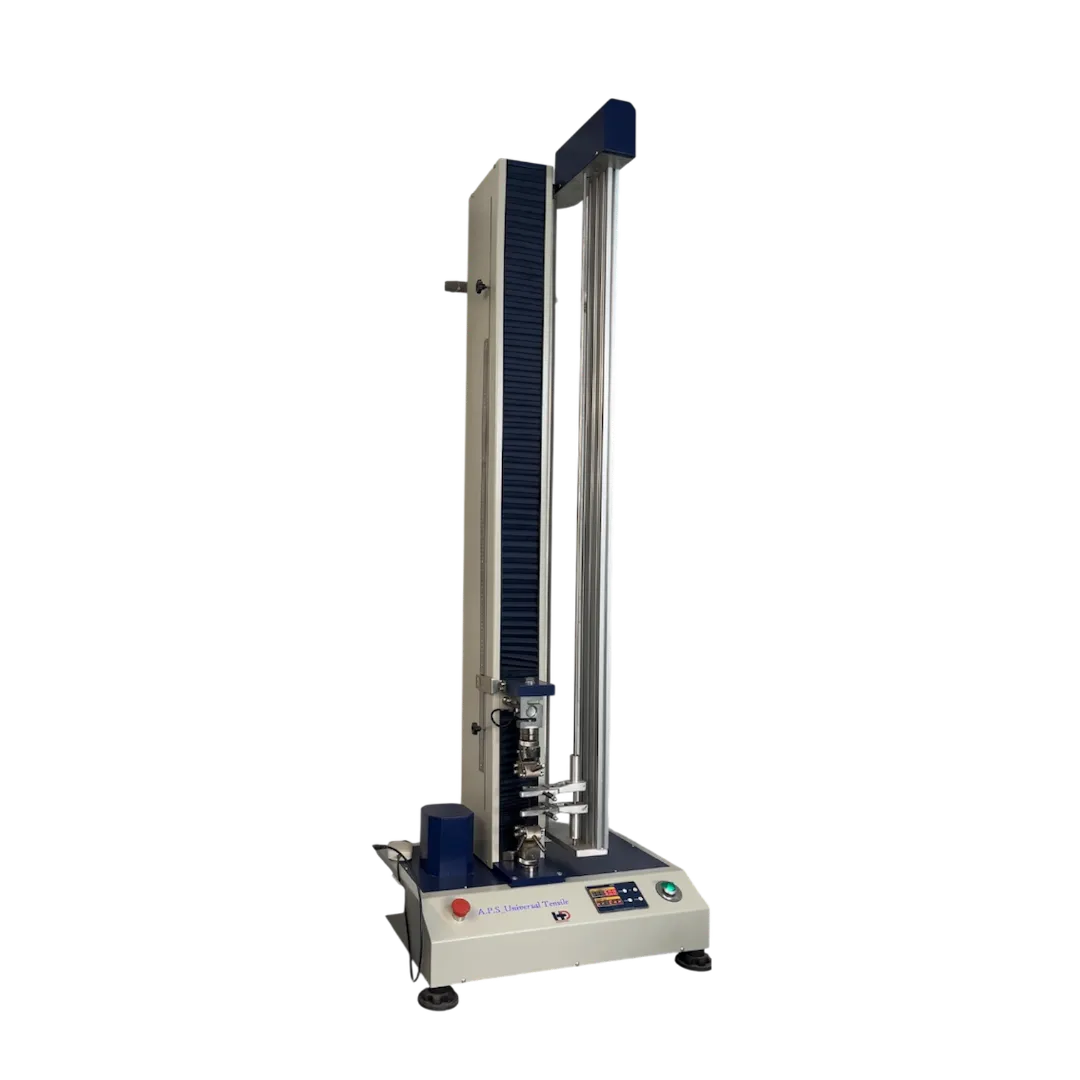
The same controlled test programme, equipment images and technical workflow used on the Persian site are presented here in English. Test requirements, methods and acceptance criteria are confirmed for each request.
Incoming materials and controlled compound batches are reviewed against the agreed test programme. Final-product sampling and report requirements are confirmed for the relevant order.
Review the available test pages and select the assessment relevant to your material, component and operating conditions.
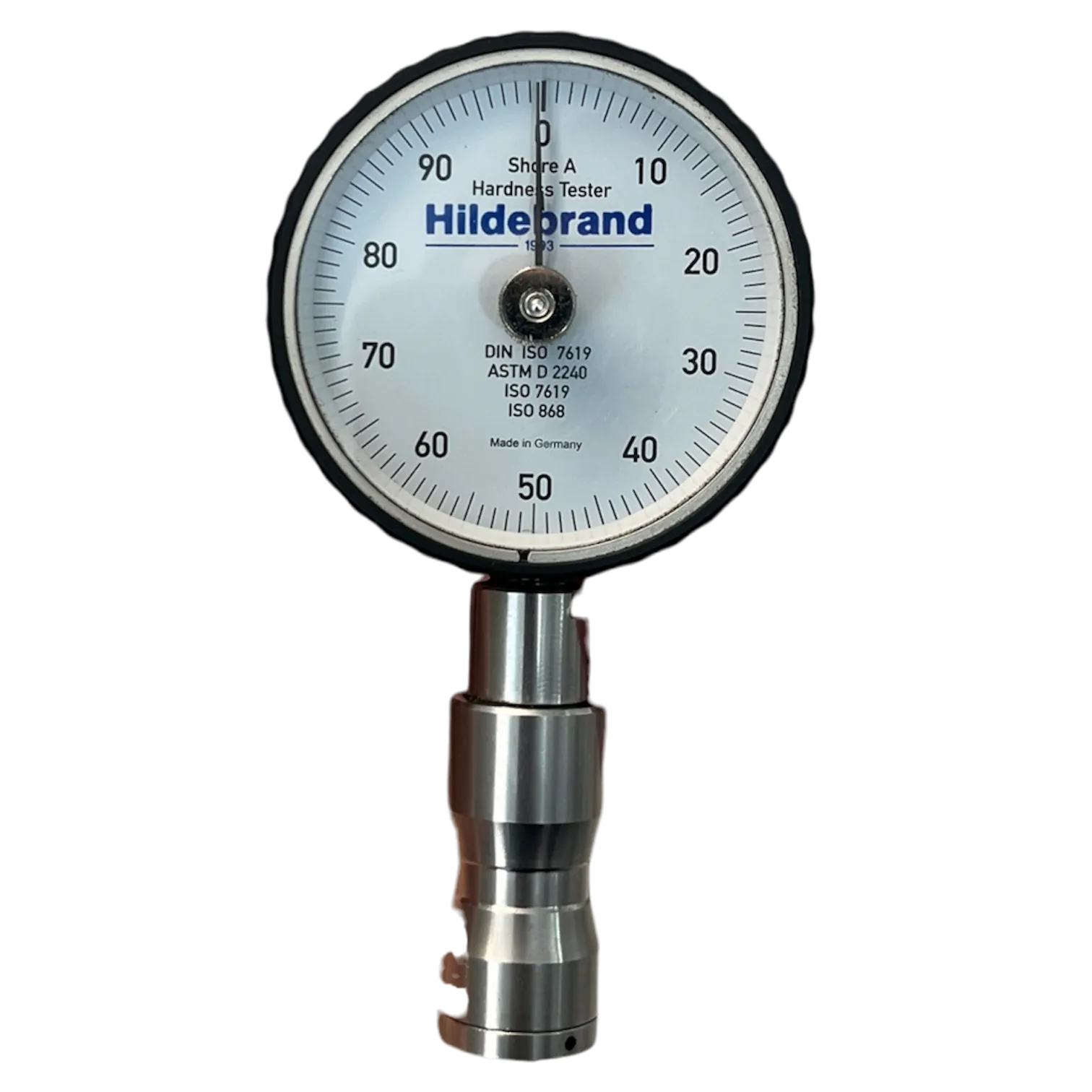
Accurate hardness measurement of rubber components on the Shore A and Shore D scales.
Determination of tensile strength, elongation and modulus of elastomer materials.
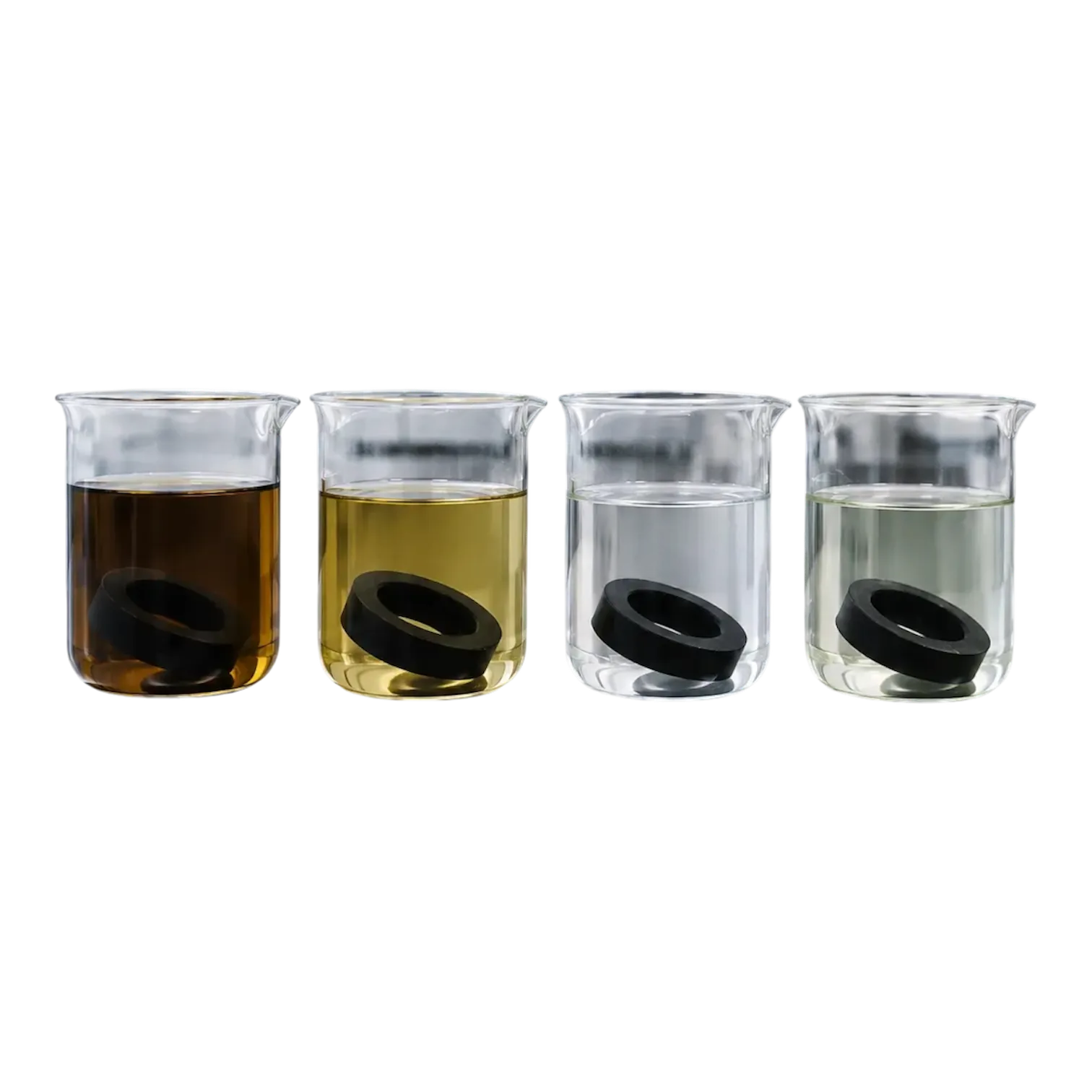
Assessment of elastomer resistance to oils, fuels and chemical solvents.
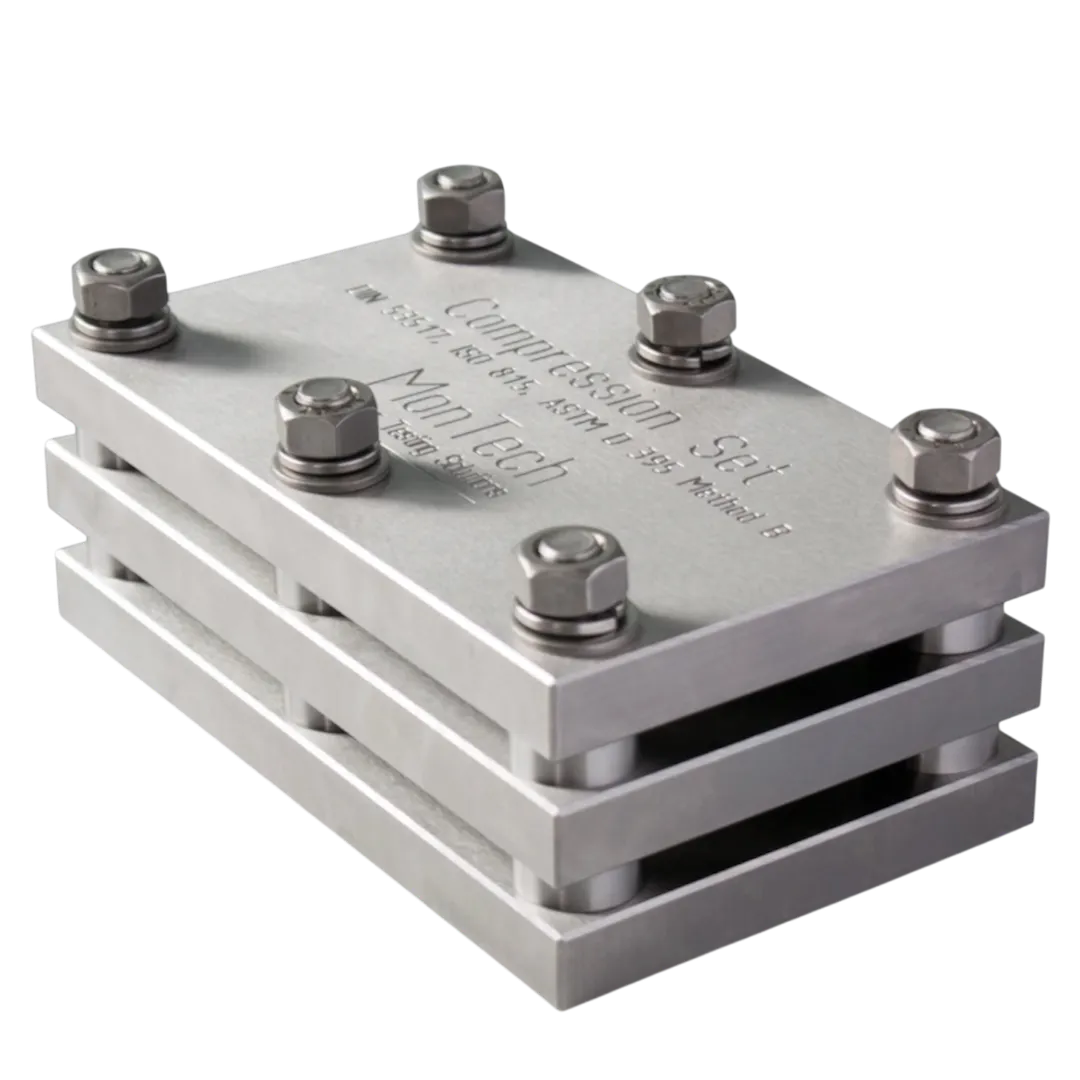
Measurement of an elastomer's recovery after sustained compression at elevated temperature.
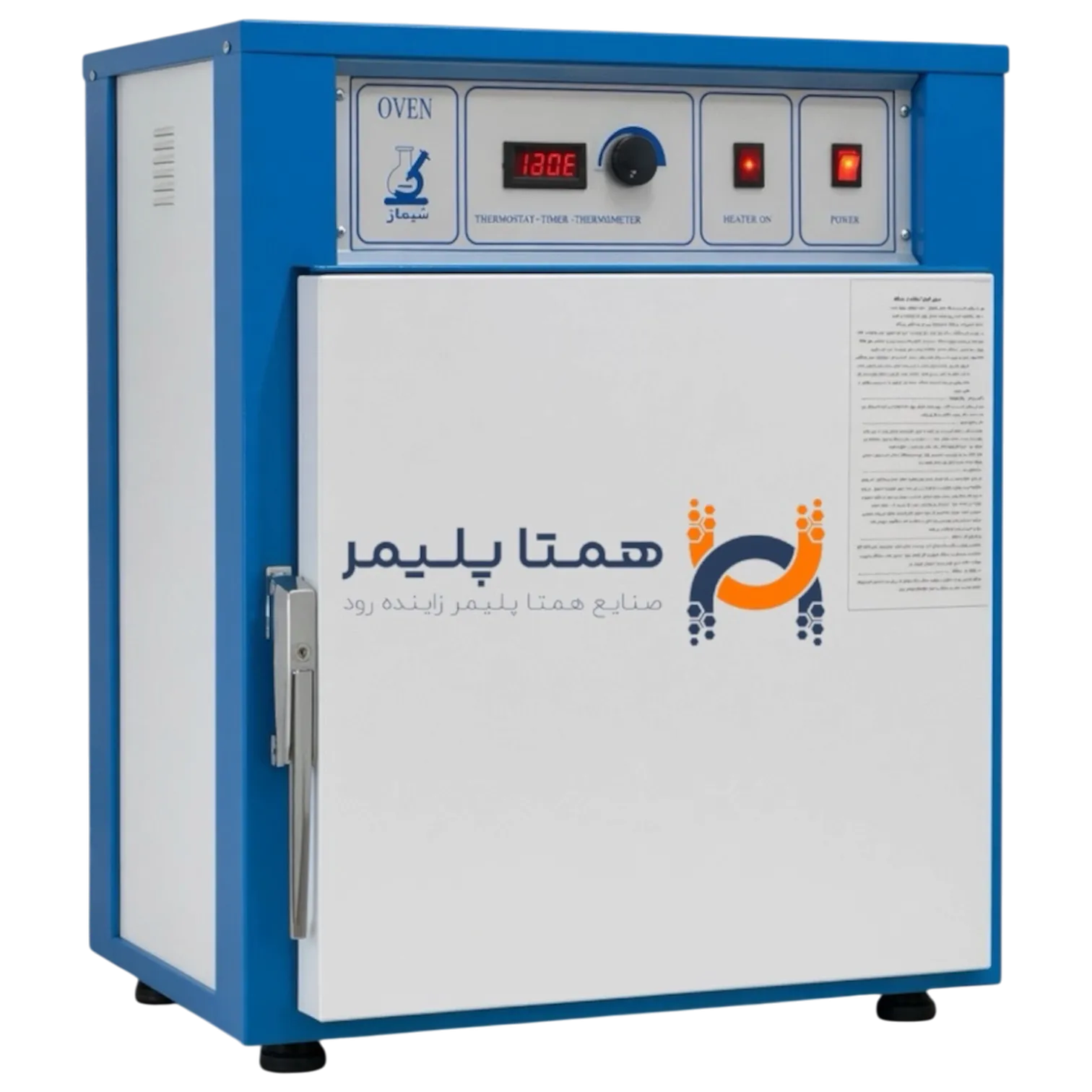
Assessment of changes in elastomer physical properties after exposure to elevated temperature.
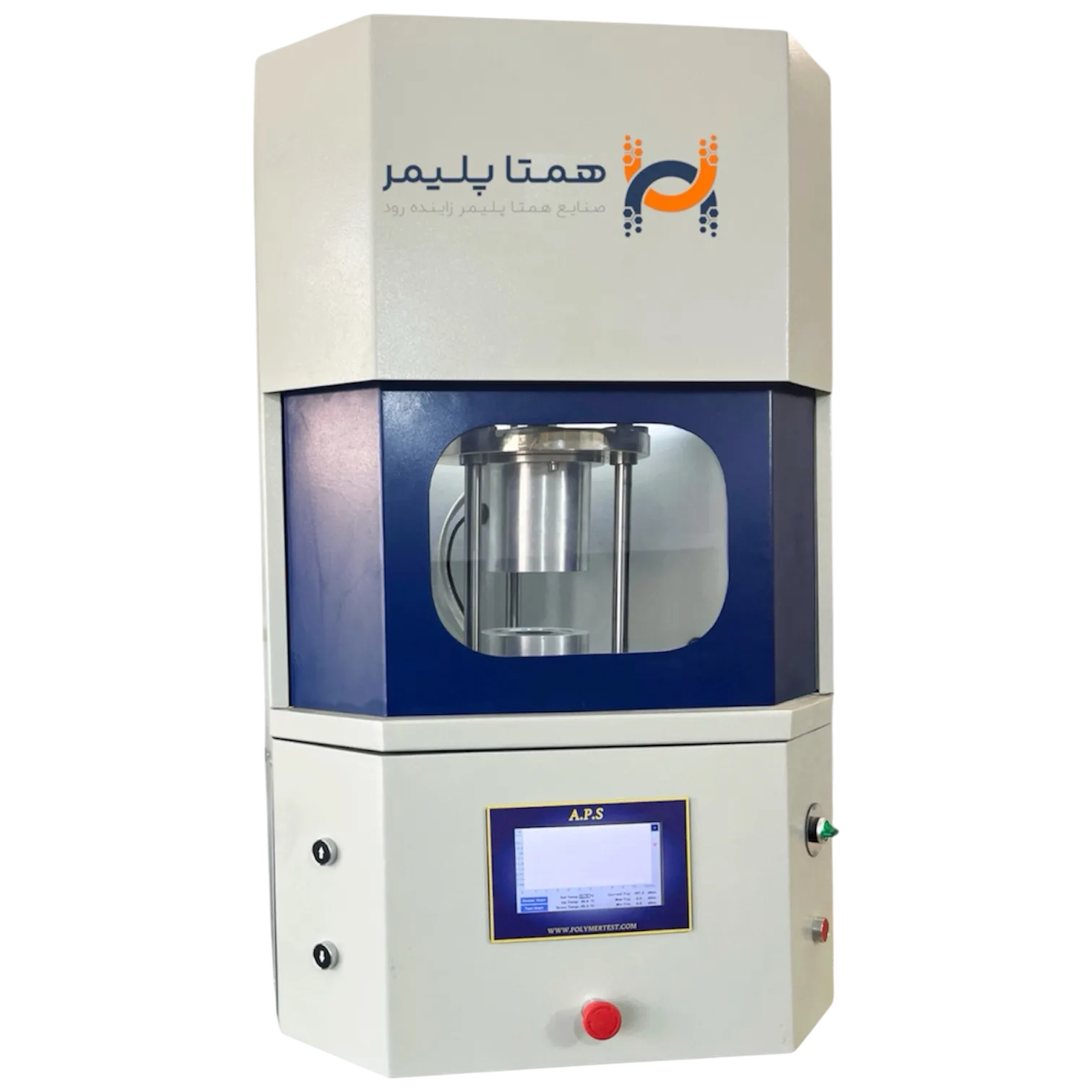
Determination of the rubber compound cure curve and optimisation of vulcanisation time and temperature.
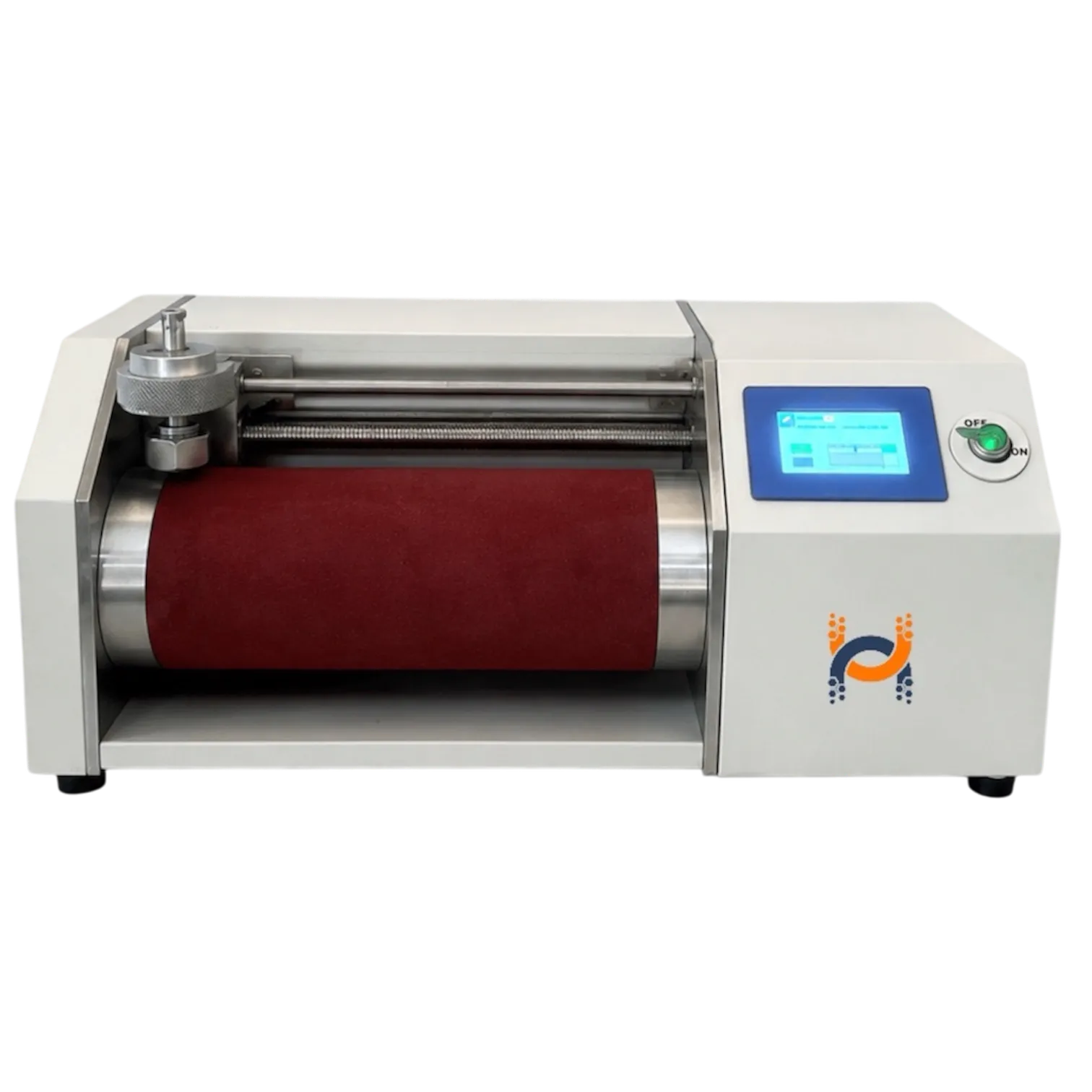
Determination of elastomer abrasion resistance using a DIN abrader.
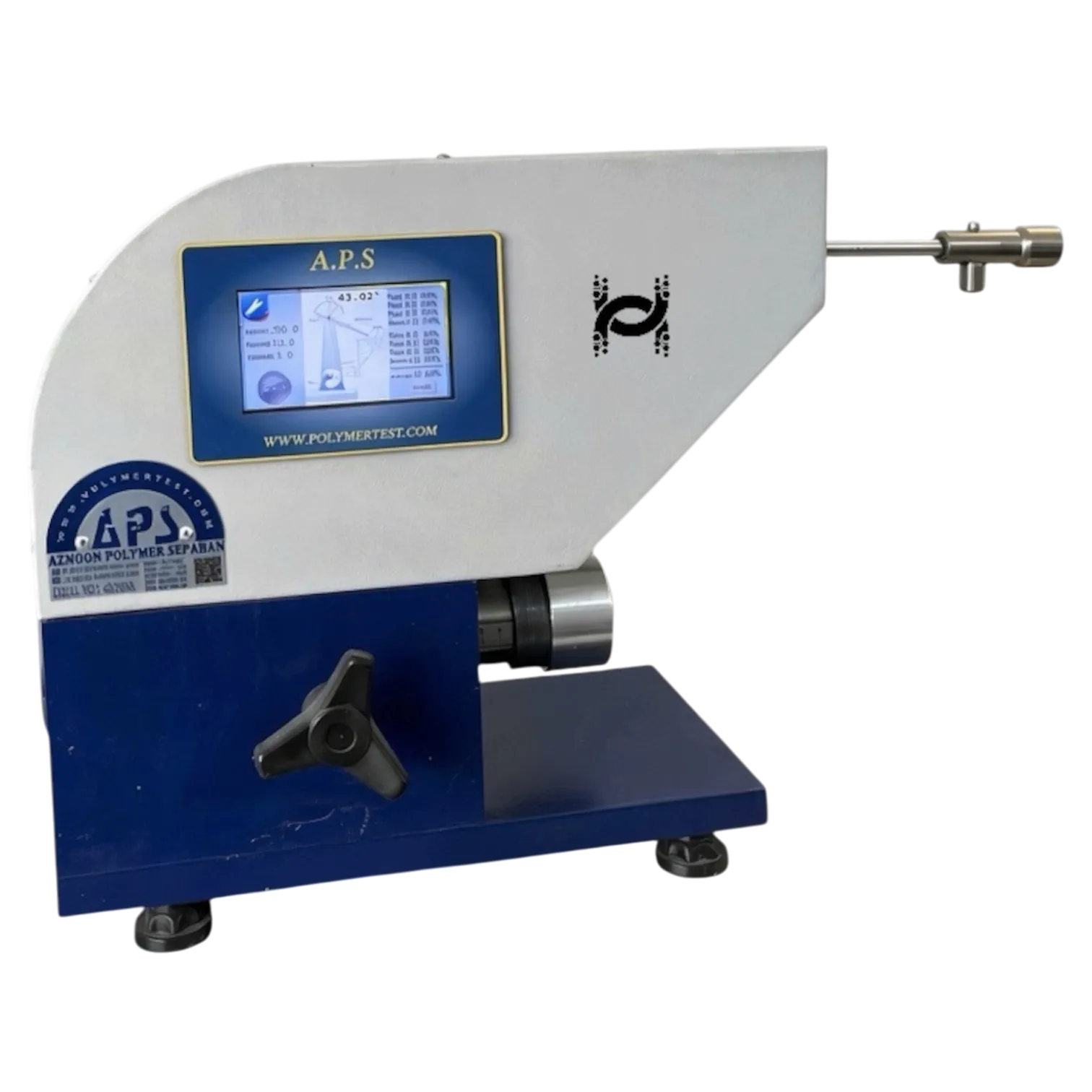
Measurement of elastomer energy return and rebound resilience.
Hamta Polymer laboratory supports incoming-material control, component assessment, investigation of supplied samples and compound-performance analysis. The aim is not merely a number: the result must support an engineering decision and manage production risk.
For strength, flexibility, hardness and response to load and wear.
For reviewing rubber behaviour over time, temperature and fluid exposure.
For understanding cure behaviour, batch consistency and formulation/process decisions.
You do not need to know the exact test before contacting us. Share the component and application so that a suitable test and specimen plan can be discussed.
Technical consultation and test requestShare the component use, likely material, operating conditions and expected technical requirement.
The laboratory confirms the appropriate method, specimen dimensions and quantity.
The specimen is identified and tested under the agreed method and conditions.
The report records the method, conditions, measured results and agreed comparison basis.
More complete initial information supports an appropriate method and more useful interpretation:
Tests are scoped against the selected method and project specification, with ASTM, ISO, DIN and, where relevant, SAE references. The report identifies the method, conditions, measured values and agreed comparison basis.
Turnaround depends on the test method and specimen preparation; it is confirmed with the request.
A test result is valuable when it helps a real design, purchasing or production decision.
Review incoming materials, compound batches and finished products against the agreed scope.
Assess O-rings, gaskets, packings and parts exposed to temperature, pressure or fluids.
Characterise a supplied part or sample to support material selection and producible requirements.
Compare received samples with an agreed technical basis and reduce the risk of non-conforming material or parts.
Answers to common questions about sample submission, timing and test documentation. Technical questions are addressed on the relevant test page.
No. Laboratory services can also be discussed for supplied rubber components and independent technical evaluations.
No. A test request can be reviewed independently; share the sample and the technical objective with the laboratory team.
Timing depends on the method, sample condition and agreed scope. The required test conditions and reporting format are confirmed before work begins.
The quantity depends on the selected method and required properties. The laboratory will confirm dimensions and quantities for the requested test.
The applicable ASTM, ISO or DIN reference is agreed for the requested evaluation and recorded with the test conditions.
Our team can discuss a controlled test programme for supplied components, material evaluation or reverse-engineering work.