
Miscellaneous Industrial Rubber Parts
A broad range of general industrial rubber parts — hoses, belts, pads, protective strips, bushings, flooring and fully custom molded components.
Product samples Miscellaneous Industrial Rubber Parts
Click any product to view a larger photo with dimensions and compound.
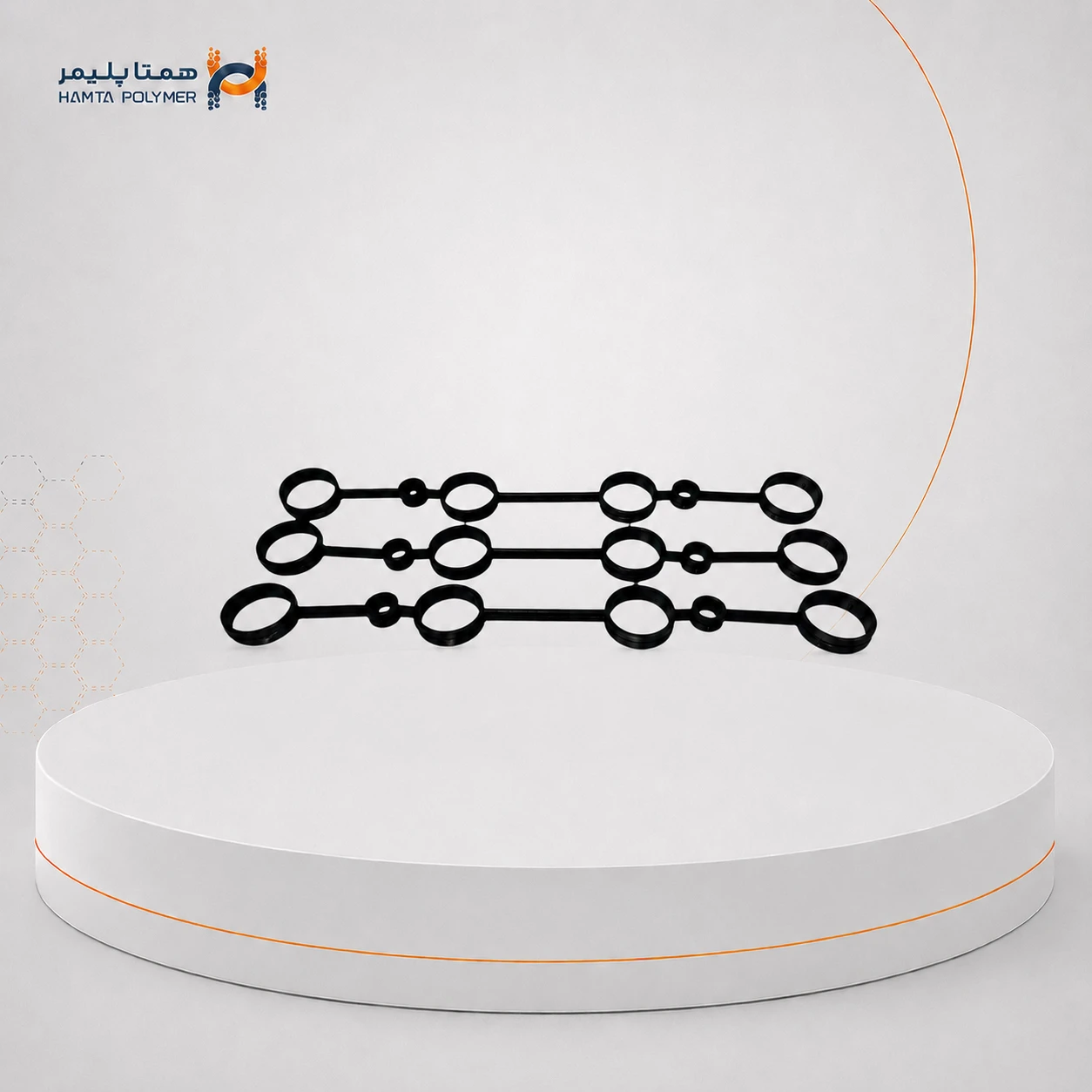 Miscellaneous Industrial Rubber Parts
High-Pressure Industrial Hose
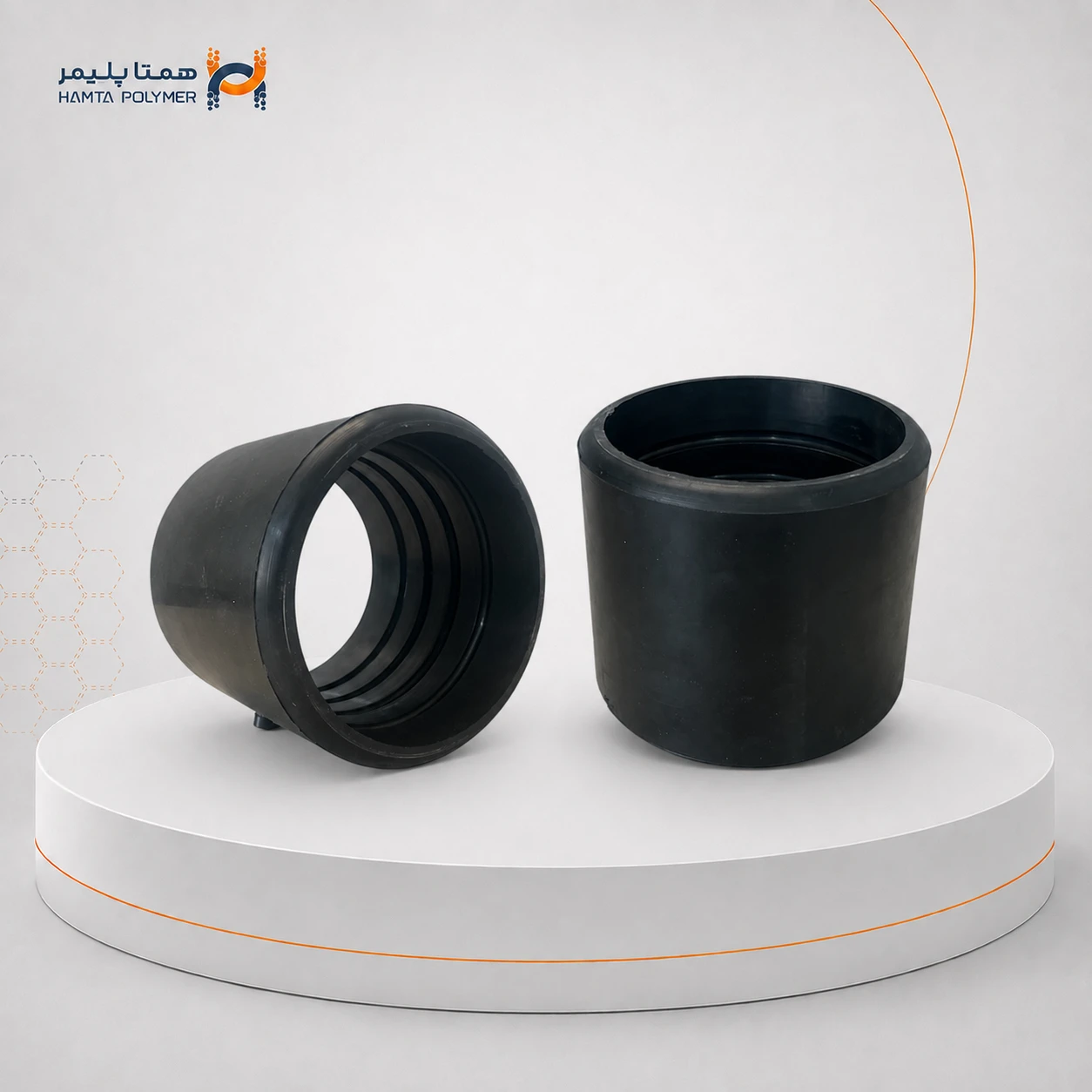 Miscellaneous Industrial Rubber Parts
Industrial Rubber Belt
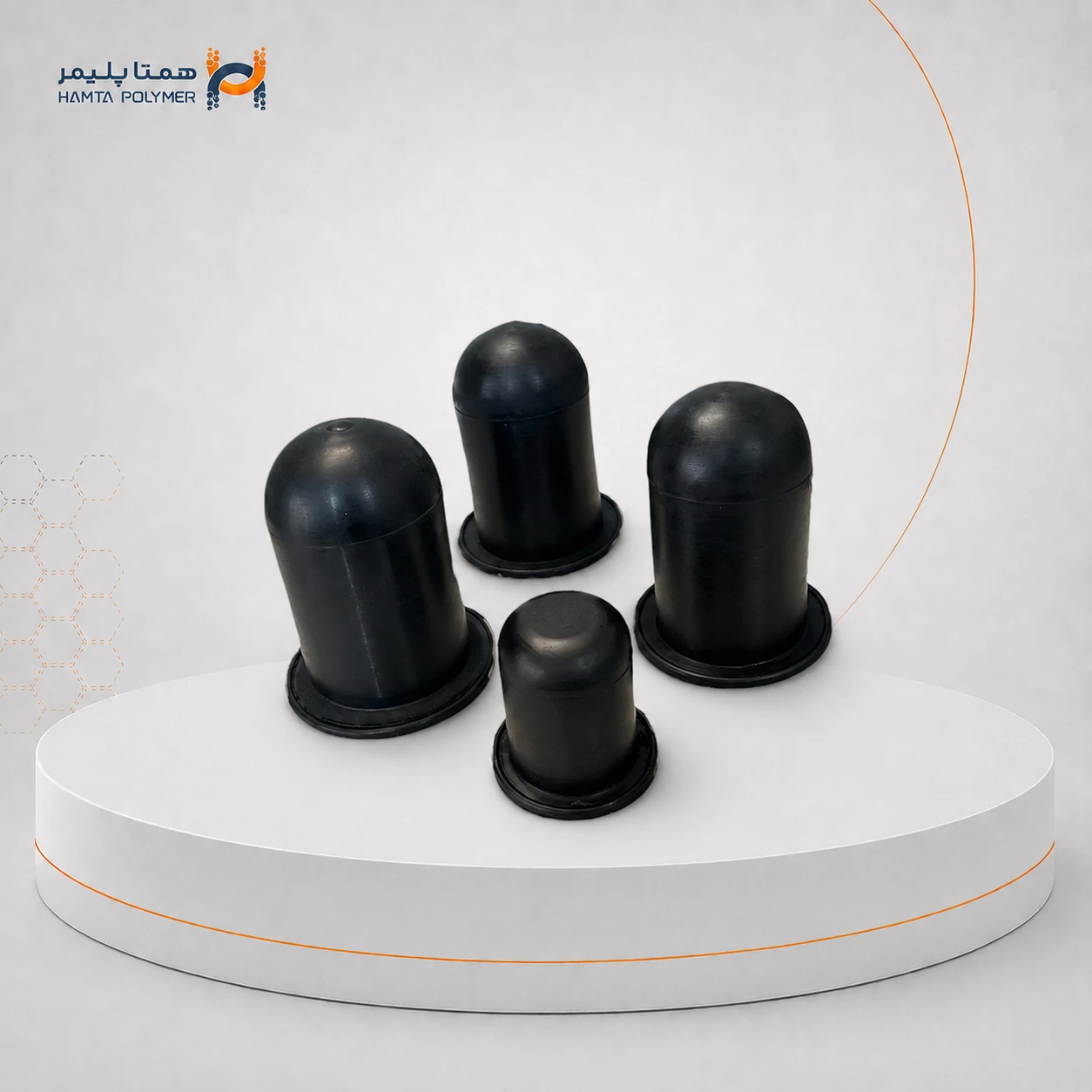 Miscellaneous Industrial Rubber Parts
Equipment Support Rubber Pad
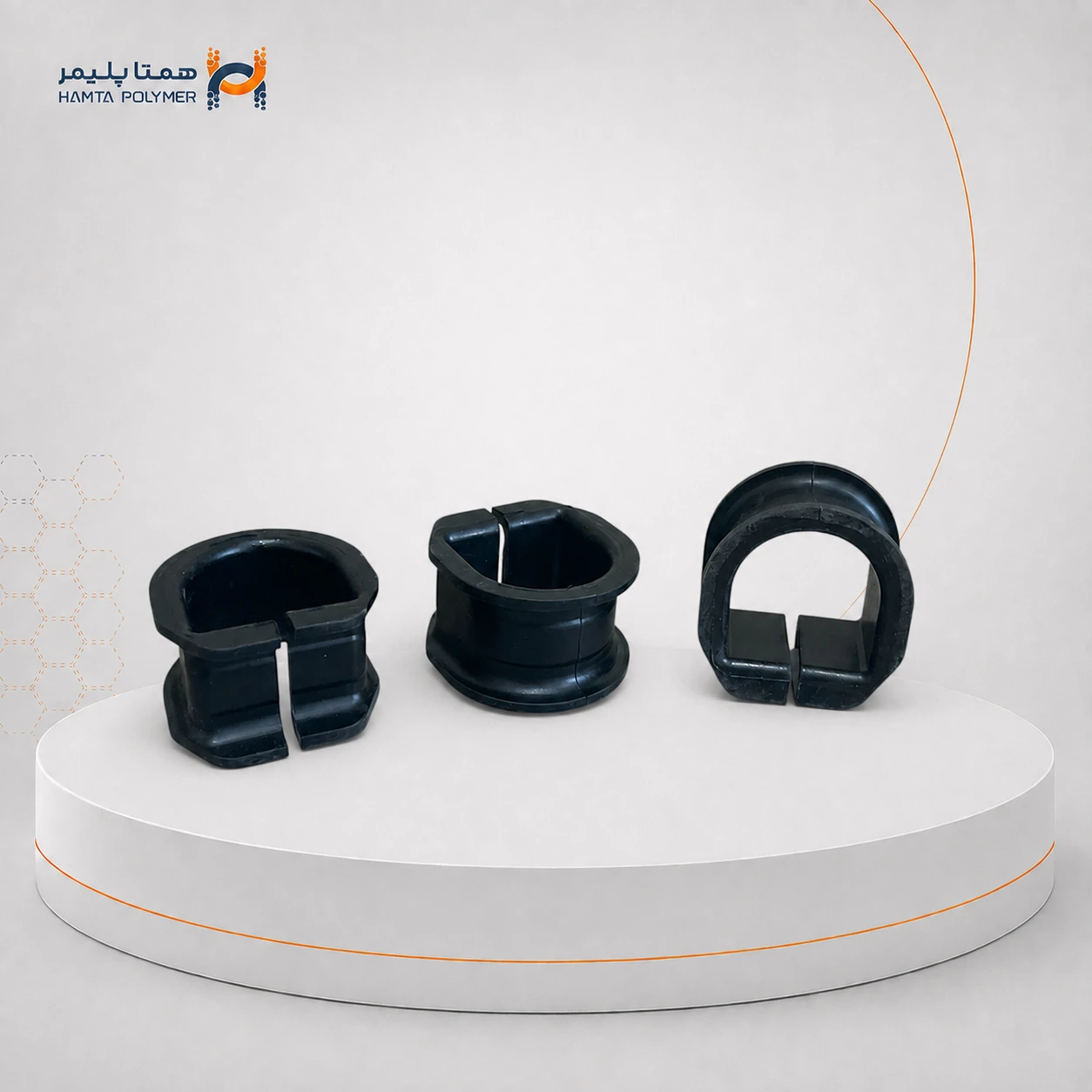 Miscellaneous Industrial Rubber Parts
Protective Rubber Strip
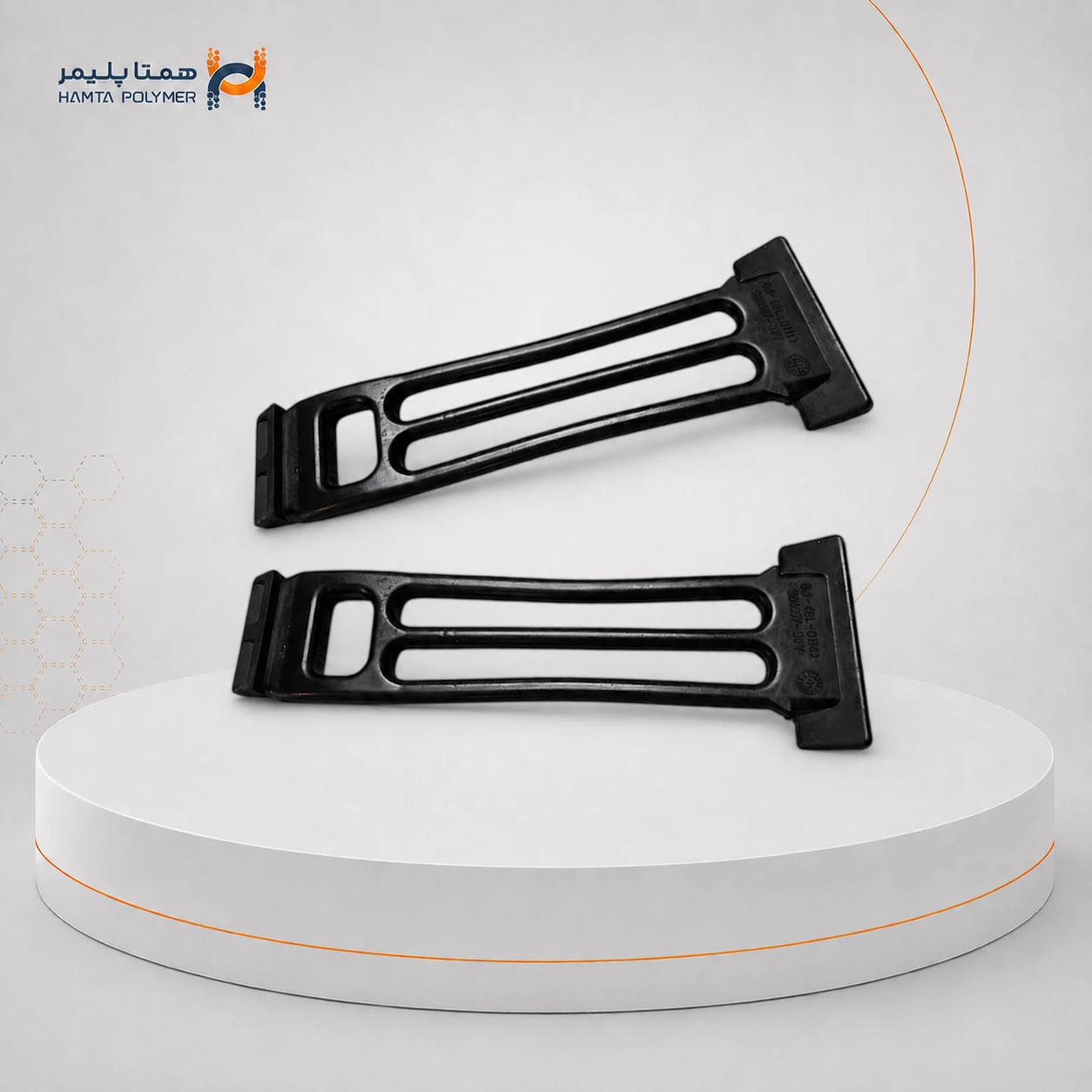 Miscellaneous Industrial Rubber Parts
Cable Protection Rubber Sleeve
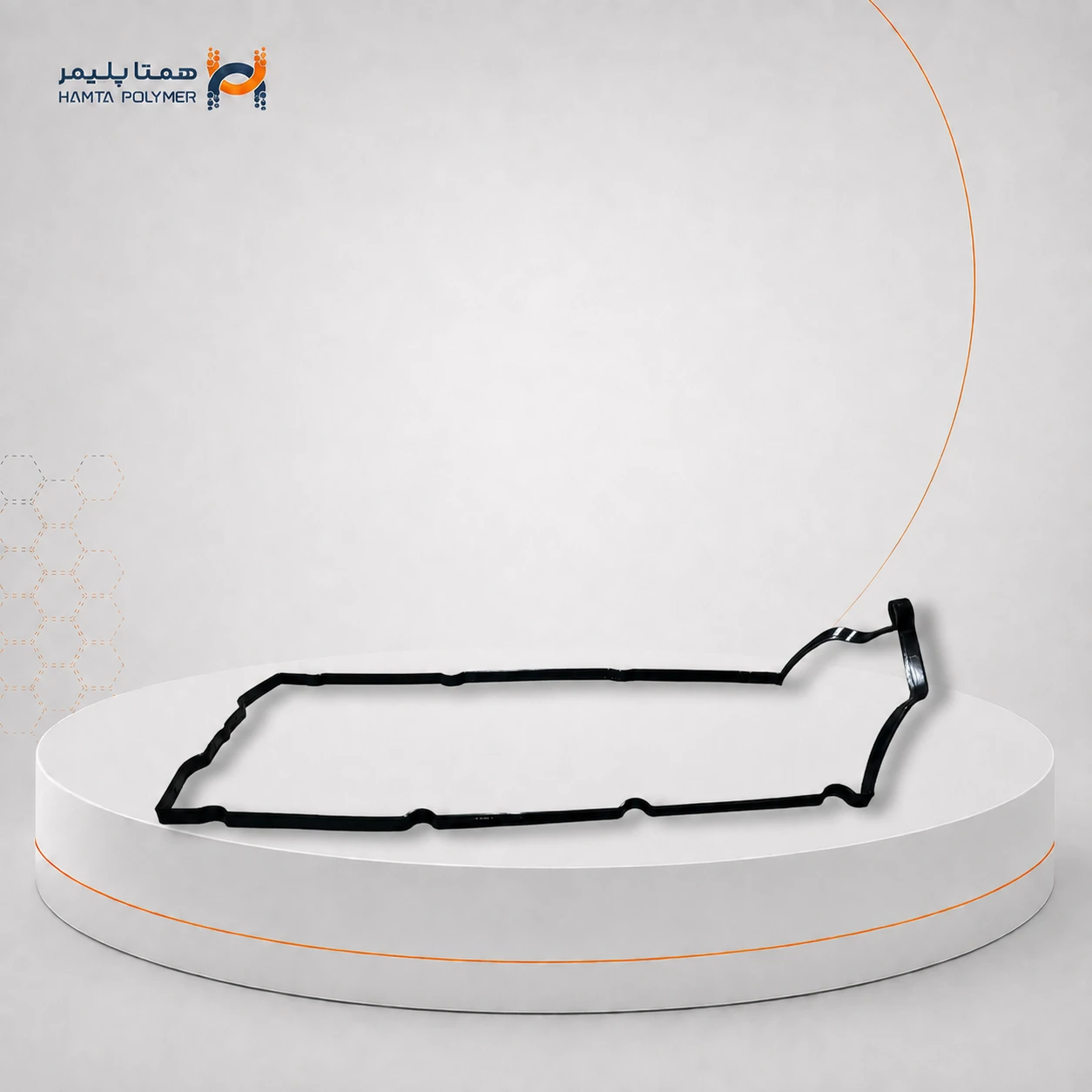 Miscellaneous Industrial Rubber Parts
Pipe Penetration Rubber Bushing
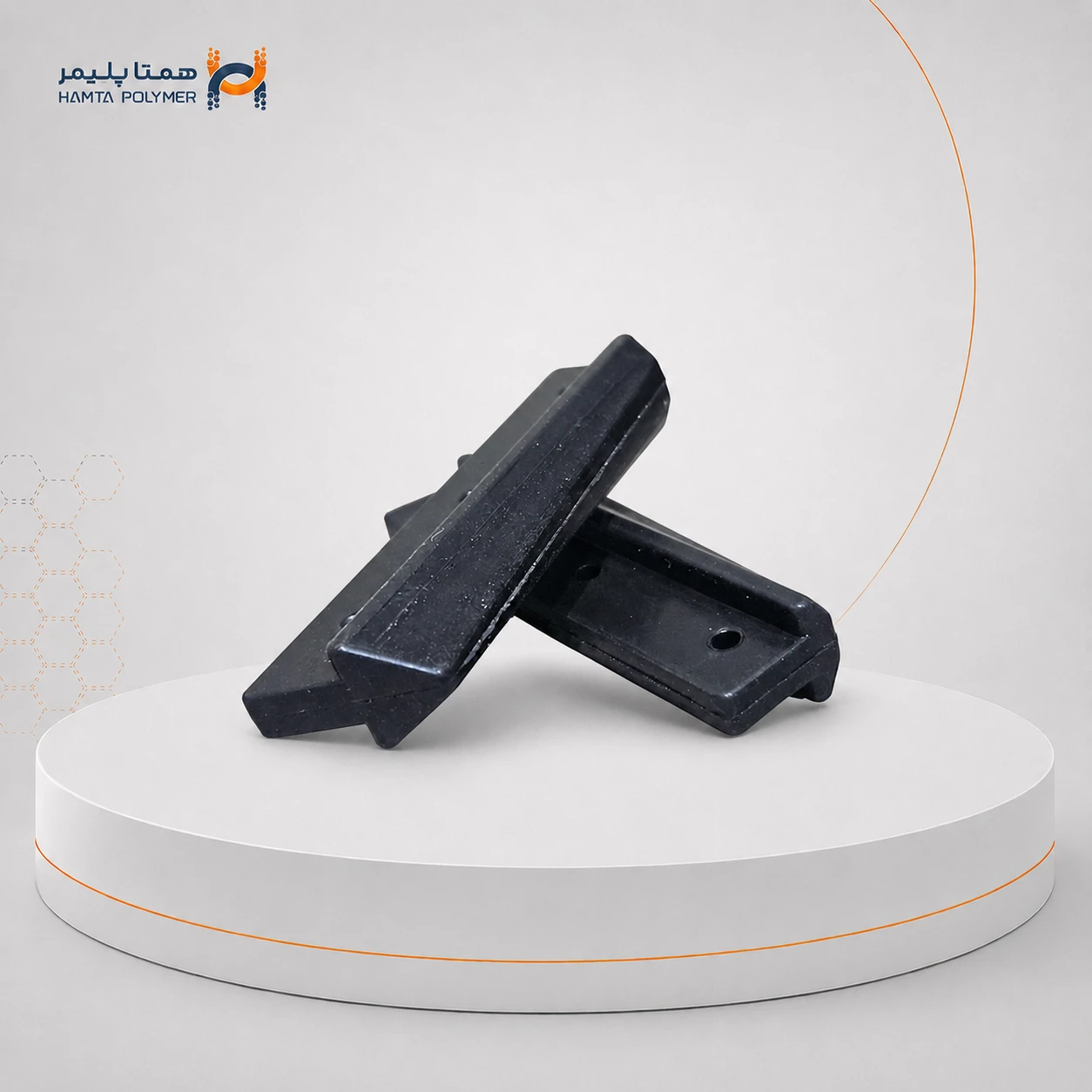 Miscellaneous Industrial Rubber Parts
Industrial Rubber Flooring
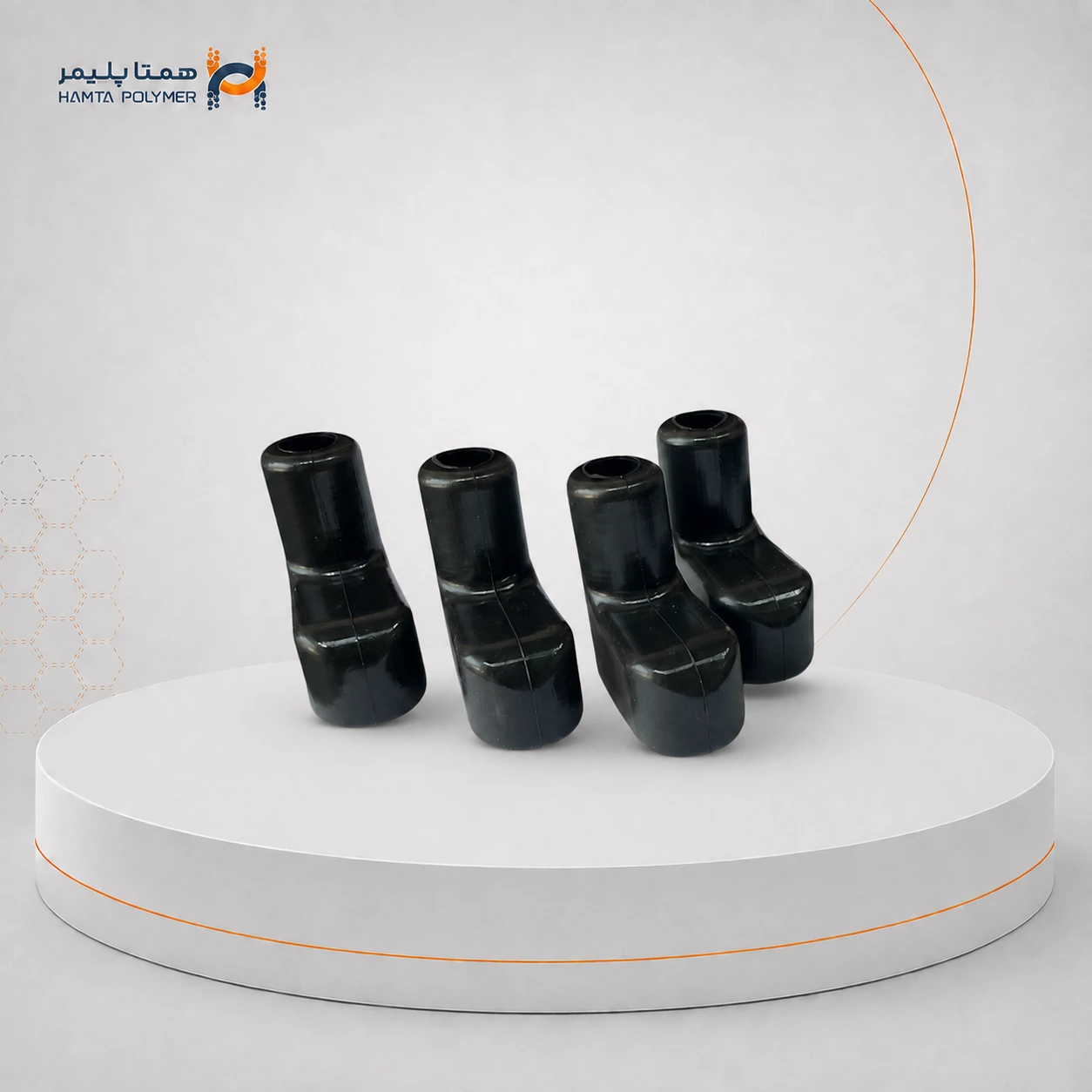 Miscellaneous Industrial Rubber Parts
Bolt & Nut Protective Cap
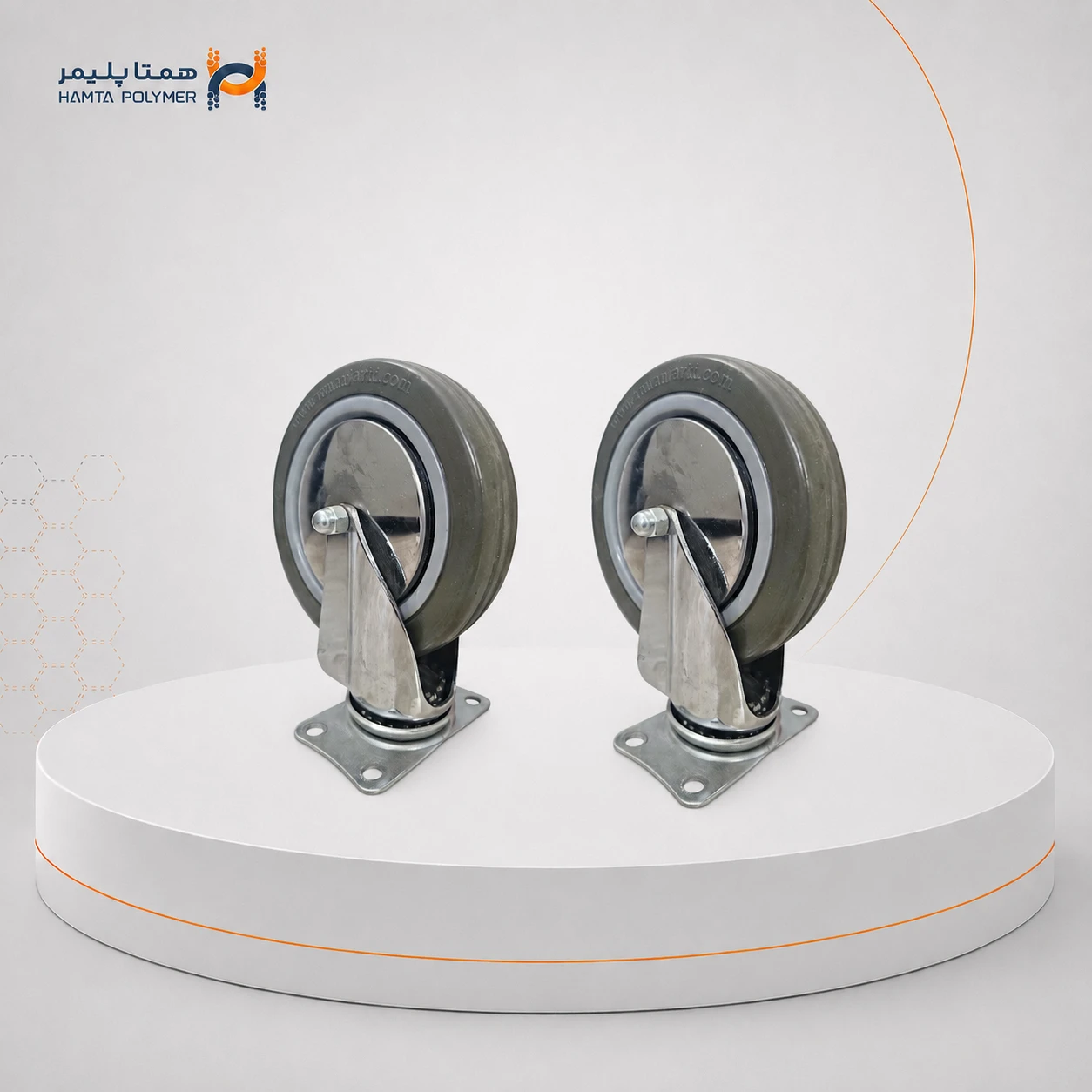 Miscellaneous Industrial Rubber Parts
Custom Molded Industrial Part
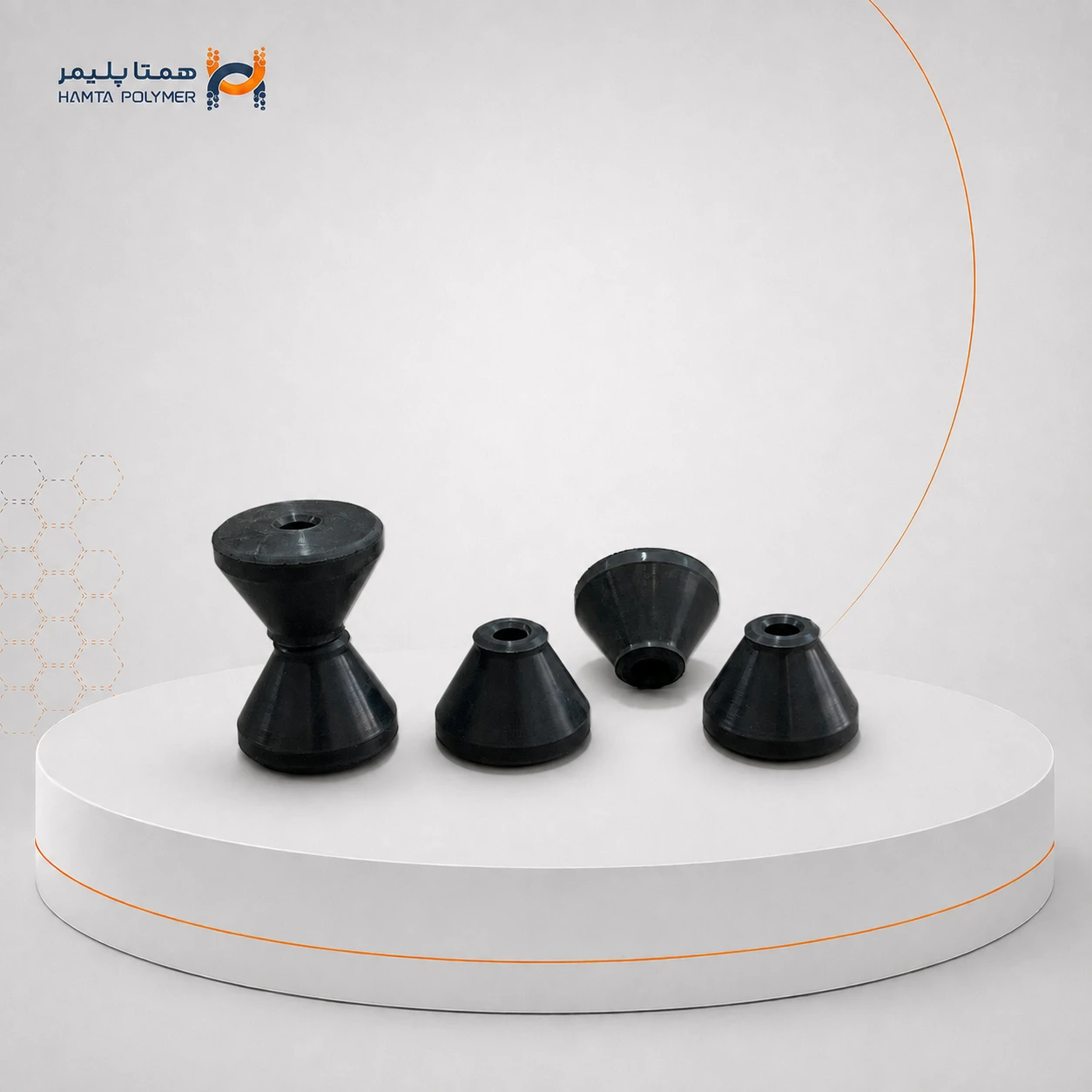 Miscellaneous Industrial Rubber Parts
New Industrial Part (Prototype)
Hamta Polymer produces the general industrial rubber parts other categories don't cover — high-pressure hoses, belts, equipment pads, protective strips, pipe bushings, flooring and fully custom molded components, all made to drawing or sample in NBR, EPDM, NR and CR.
Beyond the specialized categories (O-rings, diaphragms, couplings and more), Hamta Polymer produces a wide spectrum of general industrial rubber parts: high-pressure hoses, belts, equipment support pads, protective strips, pipe-penetration bushings, industrial flooring and protective covers. These parts are typically made to order in common industrial compounds (NBR, EPDM, NR and CR).
For parts with a highly specialized application — such as linear sealing strips or dedicated packing — see the dedicated category pages; this page covers the general cases and the custom molded parts that fit no single category.
Where Miscellaneous Industrial Rubber Parts are used across industries
Production lines & factories
Hoses, belts and rubber pads for general production-line equipment.
Construction & utilities
Pipe-penetration bushings and industrial rubber flooring.
Safety & equipment protection
Protective strips and bolt/nut caps.
Quality assurance for Miscellaneous Industrial Rubber Parts
Hardness measurement (Shore A/D)
Dimensional conformity to drawing/sample
How our Miscellaneous Industrial Rubber Parts are produced
- 1
Receipt of application description, drawing or sample, and environmental conditions
- 2
Selection of material and process — molding, cutting or extrusion
- 3
Declaration of tolerances, minimum order quantity and acceptance criterion
- 4
Sample or order production with final dimensional and visual control
For engineers and technical buyers — product types, the full material matrix and a precise selection guide.
Miscellaneous Industrial Rubber Parts types available from Hamta Polymer
High-pressure industrial hose
For air, water or industrial fluid transfer; NBR or EPDM selected by fluid type.
Industrial rubber belt
Power transmission or holding duties on industrial equipment.
Pads, protective strips and flooring
Equipment pads that cut vibration and surface wear, edge-protection strip for sharp edges, and abrasion-resistant industrial flooring.
Pipe bushings and protective caps
Sealing where a pipe passes through a wall or panel, plus caps protecting bolt heads and nuts against corrosion and physical damage.
Custom molded part
For parts belonging to no standard category; produced entirely from your drawing or sample.
Full engineering material matrix for Miscellaneous Industrial Rubber Parts
A compound selection guide based on operating temperature, fluid type and mechanical demand — for industrial orders, match the material to the real service conditions.
| Compound | Operating temperature range | Fluid resistance | Key mechanical property |
|---|---|---|---|
| NBR | −40 to +120 °C | Mineral oils and gasoil | The default for hoses and bushings in oil contact |
| EPDM | −40 to +150 °C | Water and steam; good UV and weathering resistance | Suited to protective strips and outdoor-installed bushings |
| NR / CR | −30 to +100 °C | Water; CR adds diluted-oil and weathering resistance | The common choice for belts, pads and industrial flooring |
The listed ranges are general material selection guides; final service conditions must be reconciled with the fluid type, pressure, part geometry and order specifications.
How to choose the right Miscellaneous Industrial Rubber Parts
For parts outside the specialized categories, define: application type (fluid transfer, protection, flooring or a custom part); the material suited to your operating environment (oil, water, heat); and dimensions. For a truly custom component, sending the drawing or physical sample is the fastest path to an accurate first article.
Frequently asked questions about Miscellaneous Industrial Rubber Parts
Yes. Send the technical drawing or physical sample — even parts belonging to no standard category are molded and produced to your specification.
NBR is the most common choice for hoses touching mineral oils and fuels. For higher temperatures or special chemicals, the compound is specified against the actual fluid.
It depends on the part size and tooling. Parts using existing molds can start from practical agreed quantities; new molds need a volume that justifies tooling — we confirm MOQ with every quotation.
Yes. Reverse-engineering from a used sample is routine: we measure dimensions, identify the likely compound from its service environment, and confirm the proposal before molding.
For existing tooling, samples typically ship within days of specification confirmation. New-mold prototypes depend on mold manufacturing time, which is declared in the offer.
Other categories
The full rubber and polymer product range
Industrial O-Rings
7 products
Rubber Packing & Gaskets
7 products
Rubber Diaphragms
8 products
Conveyor Rollers
2 products
Shock & Vibration Dampers
8 products
Rubber Strips & Extruded Profiles
6 products
Silicone Rubber Parts
13 products
Flexible Rubber Couplings
4 products
Rubber Dust Boots & Bellows
2 products
Bonded Rubber-Metal Parts
6 products
Valve Rubber Components
2 products
Rubber Expansion Joints
1 products
Medical & Lab Equipment Parts
5 products
Ready to order Miscellaneous Industrial Rubber Parts?
Send us the dimensions, a drawing or a worn-out sample together with your media, temperature and pressure — our engineering team will come back with the fastest possible quotation and lead time.