
Silicone Rubber Parts
Custom industrial silicone parts — hoses, seals, gaskets and strips, transparent or colored, with food/sanitary contact grades available after compound documentation review.
Product samples Silicone Rubber Parts
Click any product to view a larger photo with dimensions and compound.
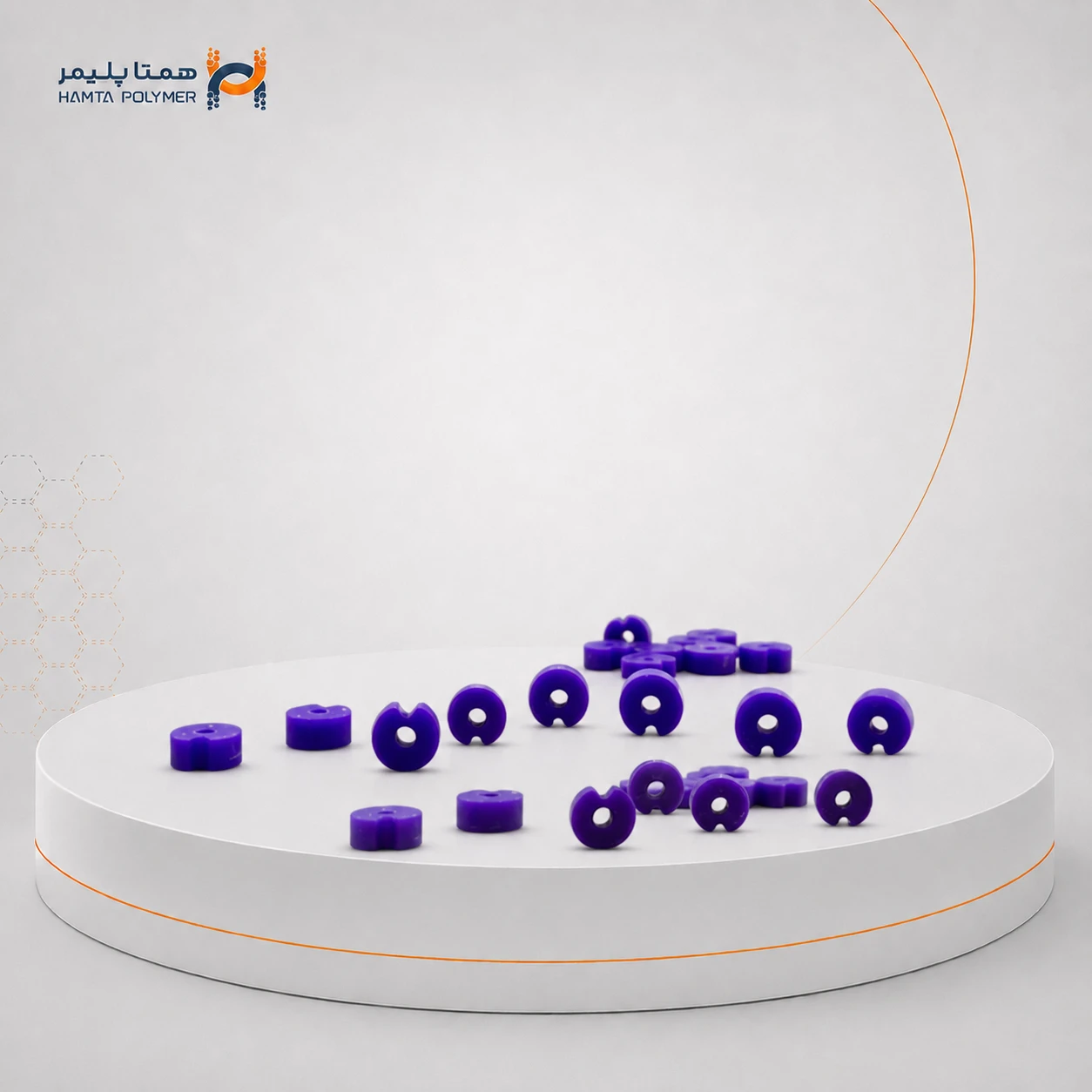 Silicone Rubber Parts
Industrial Silicone Hose
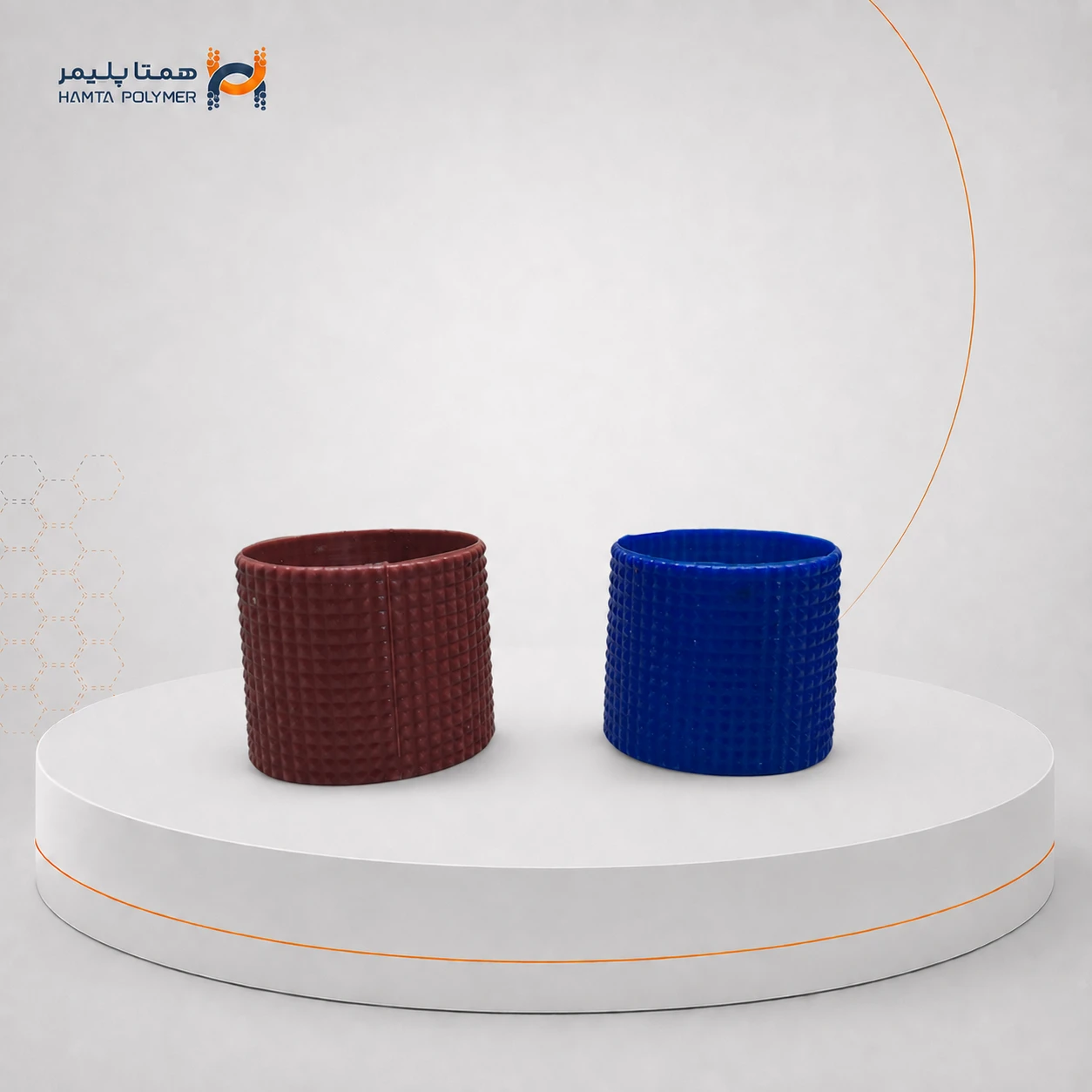 Silicone Rubber Parts
Protective Silicone Cover
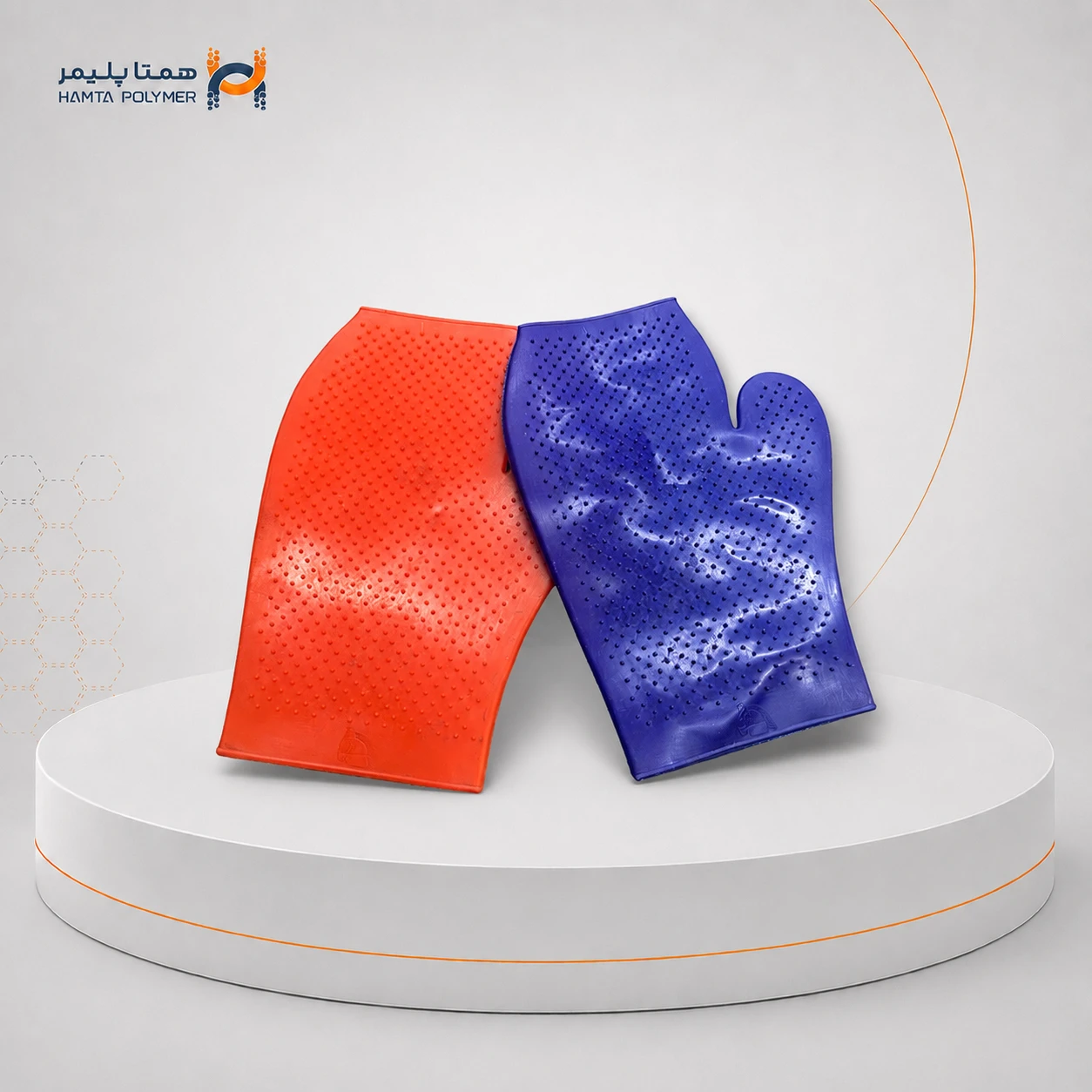 Silicone Rubber Parts
Sanitary Silicone O-Ring
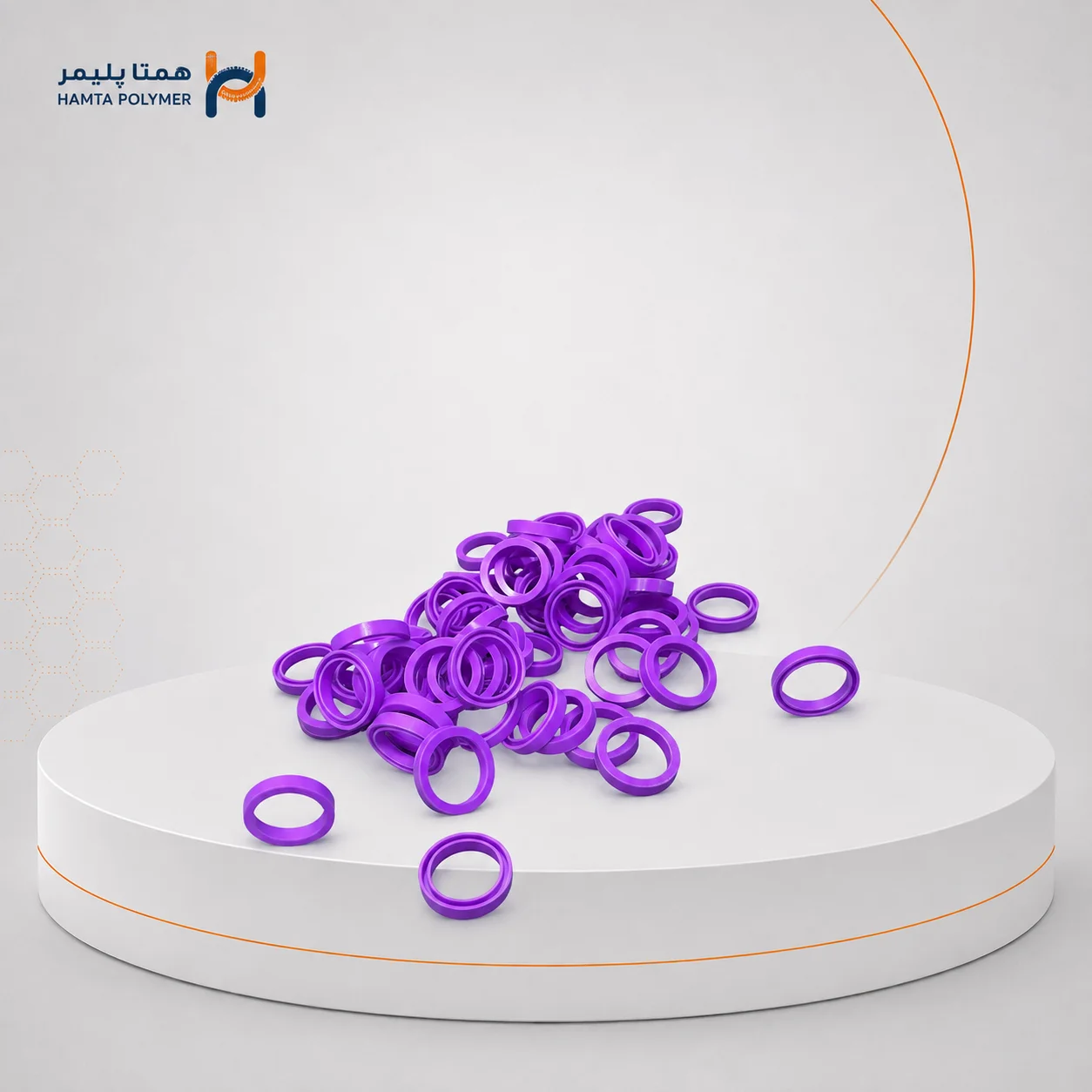 Silicone Rubber Parts
Thermal Silicone Seal Ring
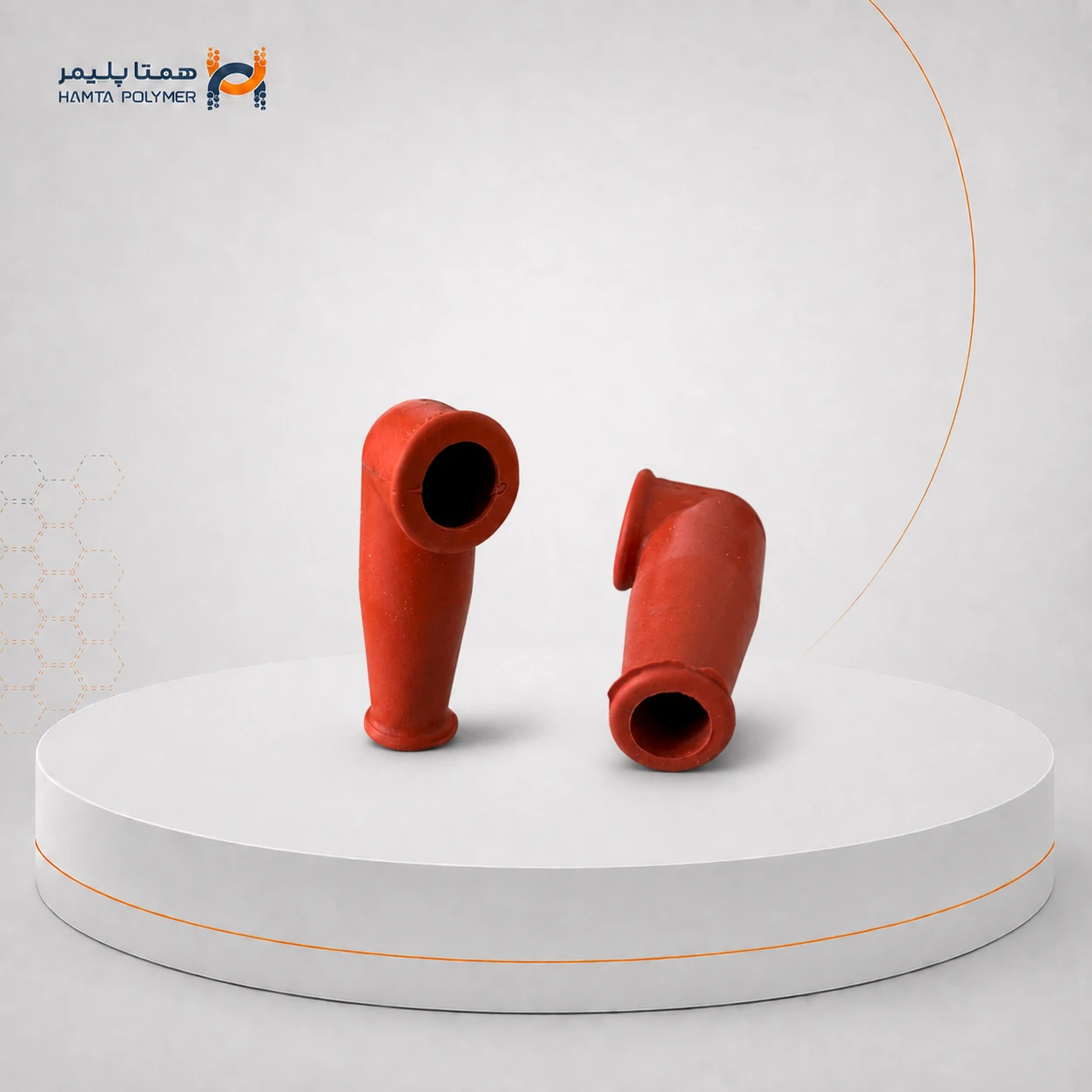 Silicone Rubber Parts
Mold Press Silicone Gasket
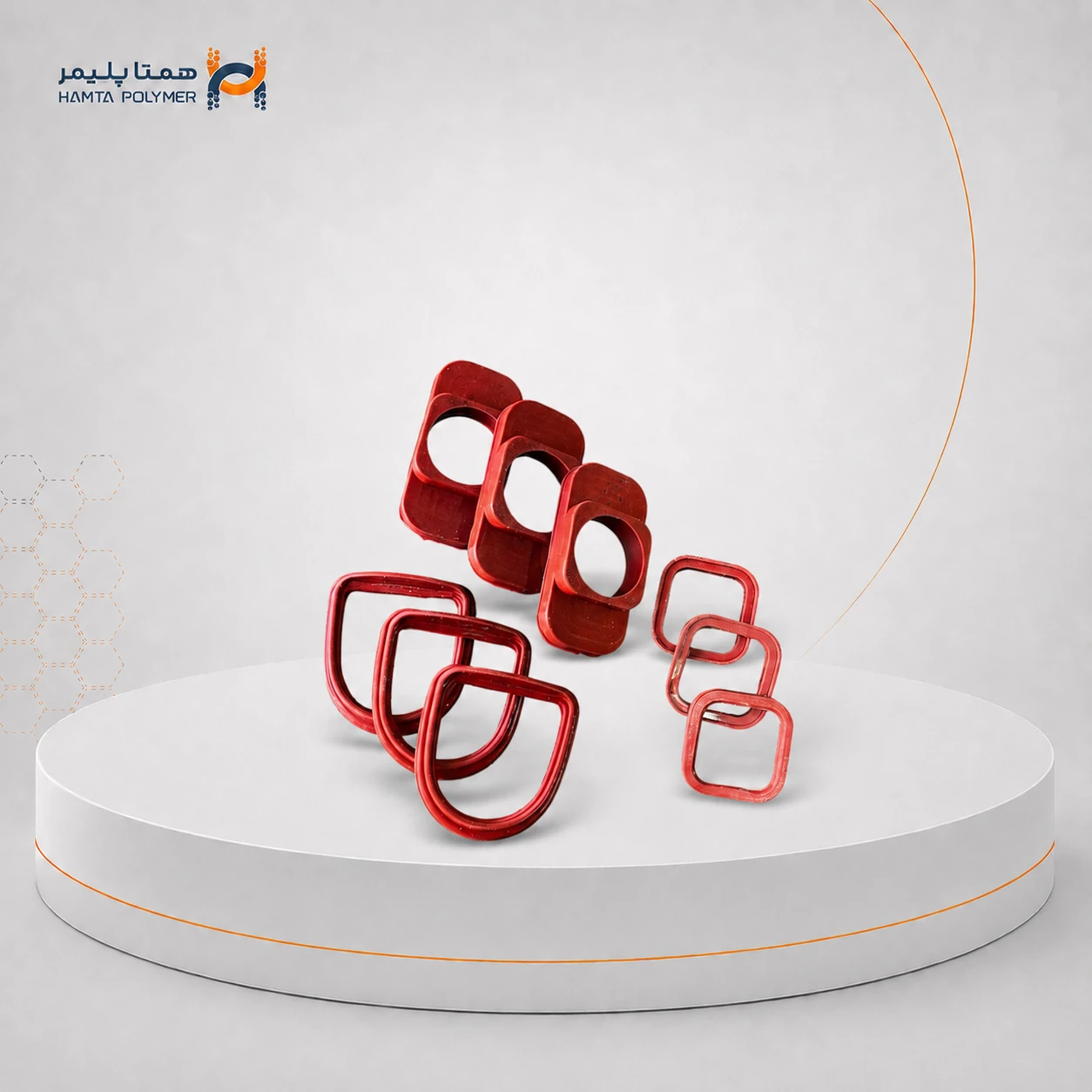 Silicone Rubber Parts
Anti-Vibration Silicone Pad
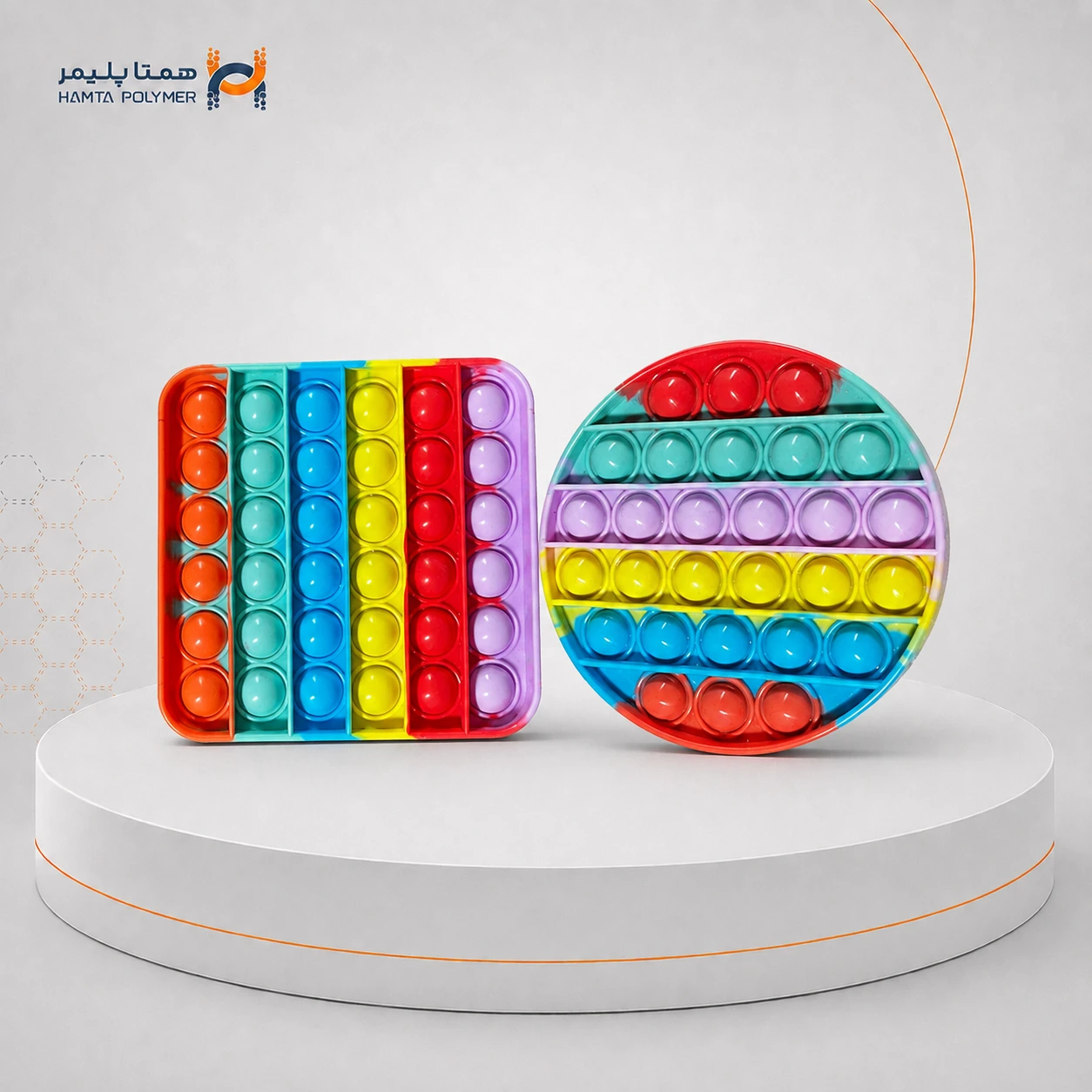 Silicone Rubber Parts
Transparent Food-Grade Silicone Tube
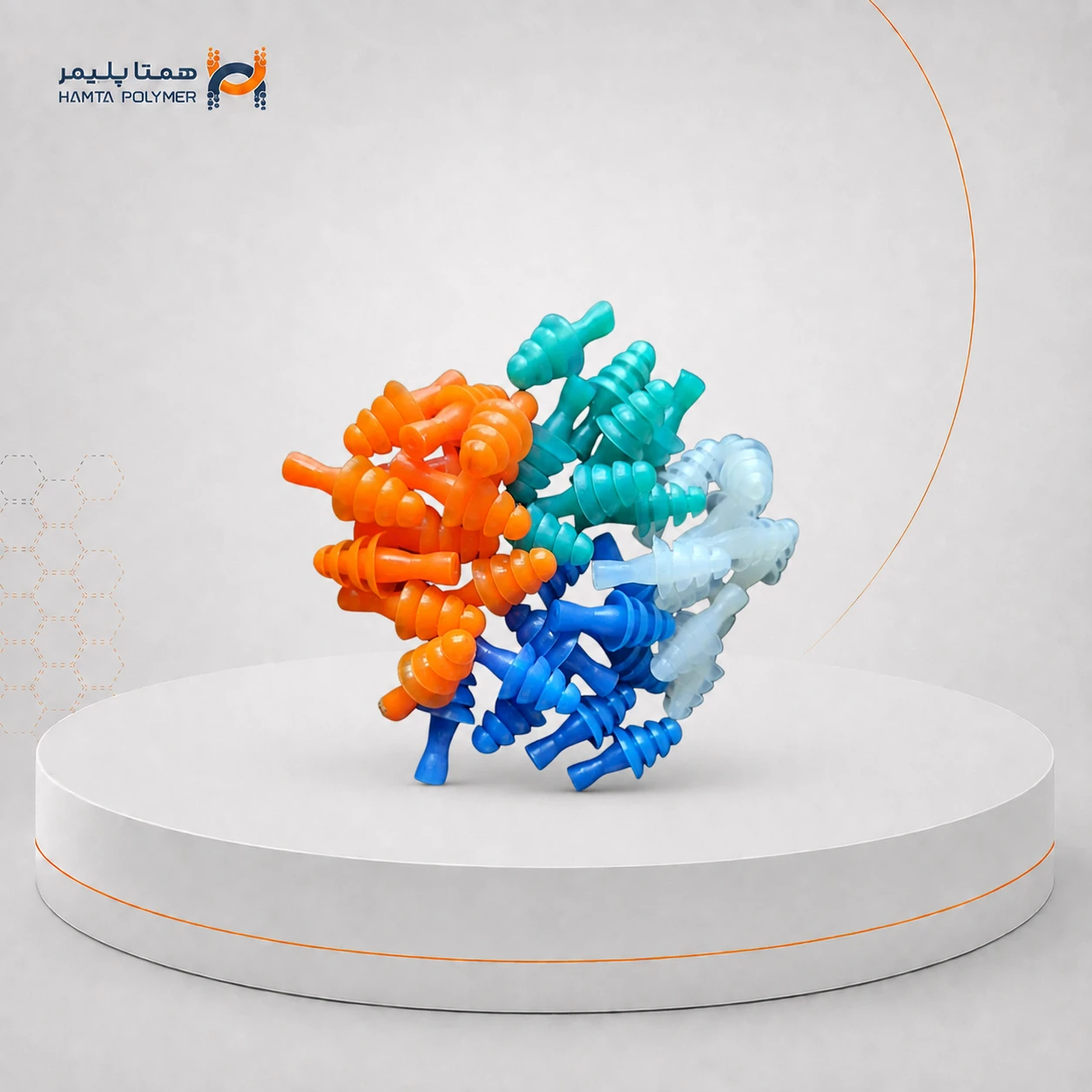 Silicone Rubber Parts
Electrical Silicone Bushing
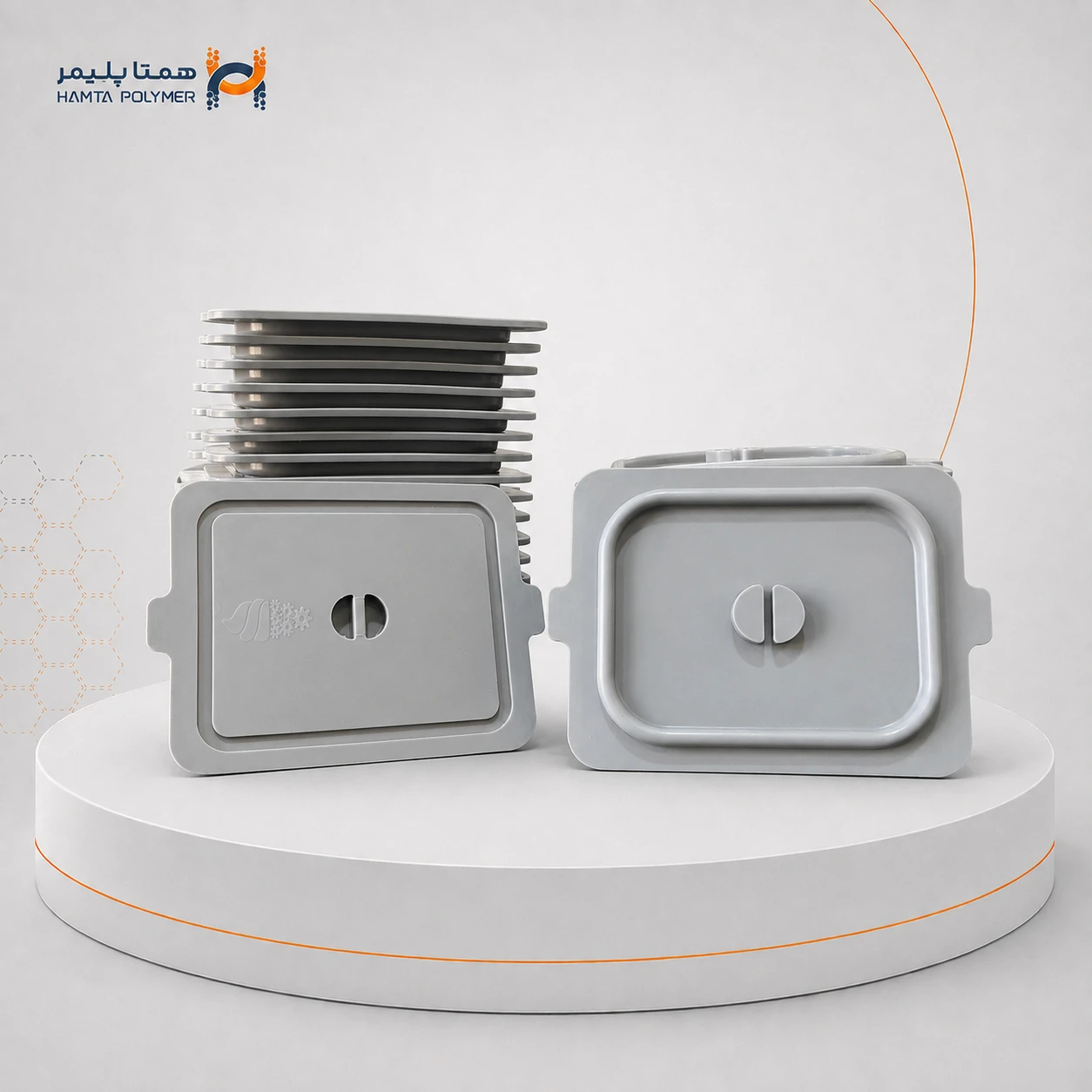 Silicone Rubber Parts
Equipment Cover Silicone Gasket
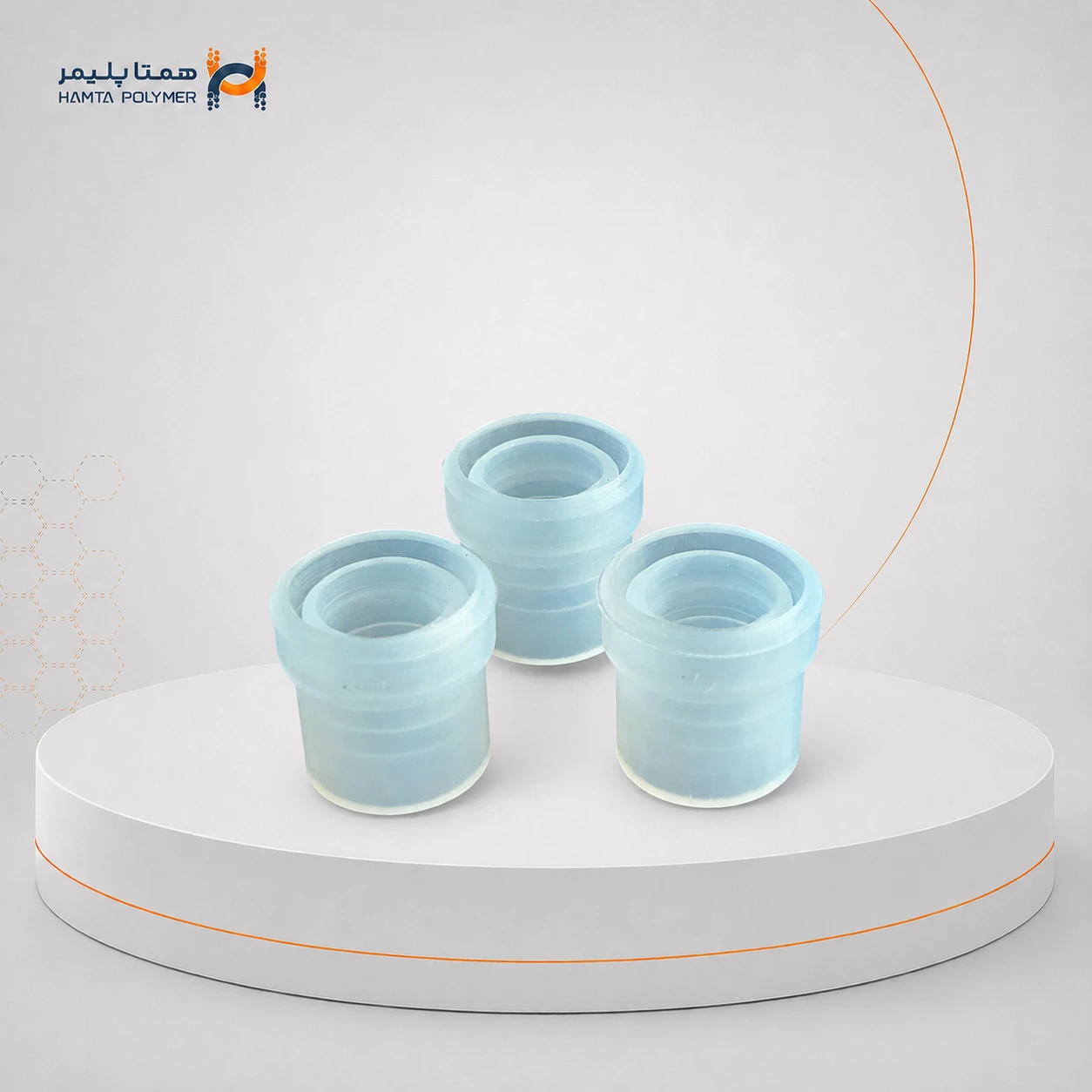 Silicone Rubber Parts
Sanitary Silicone Diaphragm Membrane
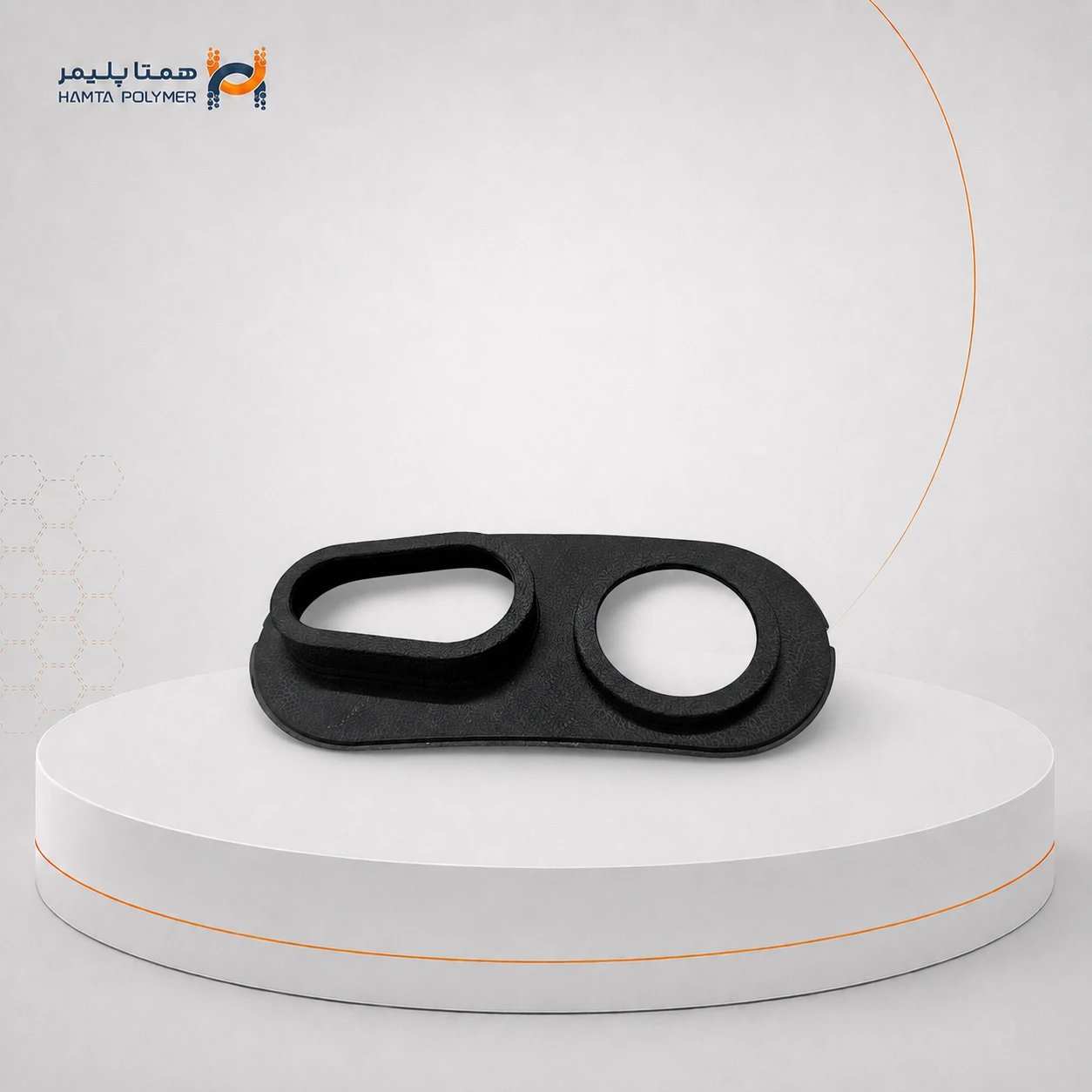 Silicone Rubber Parts
Flange Silicone Gasket
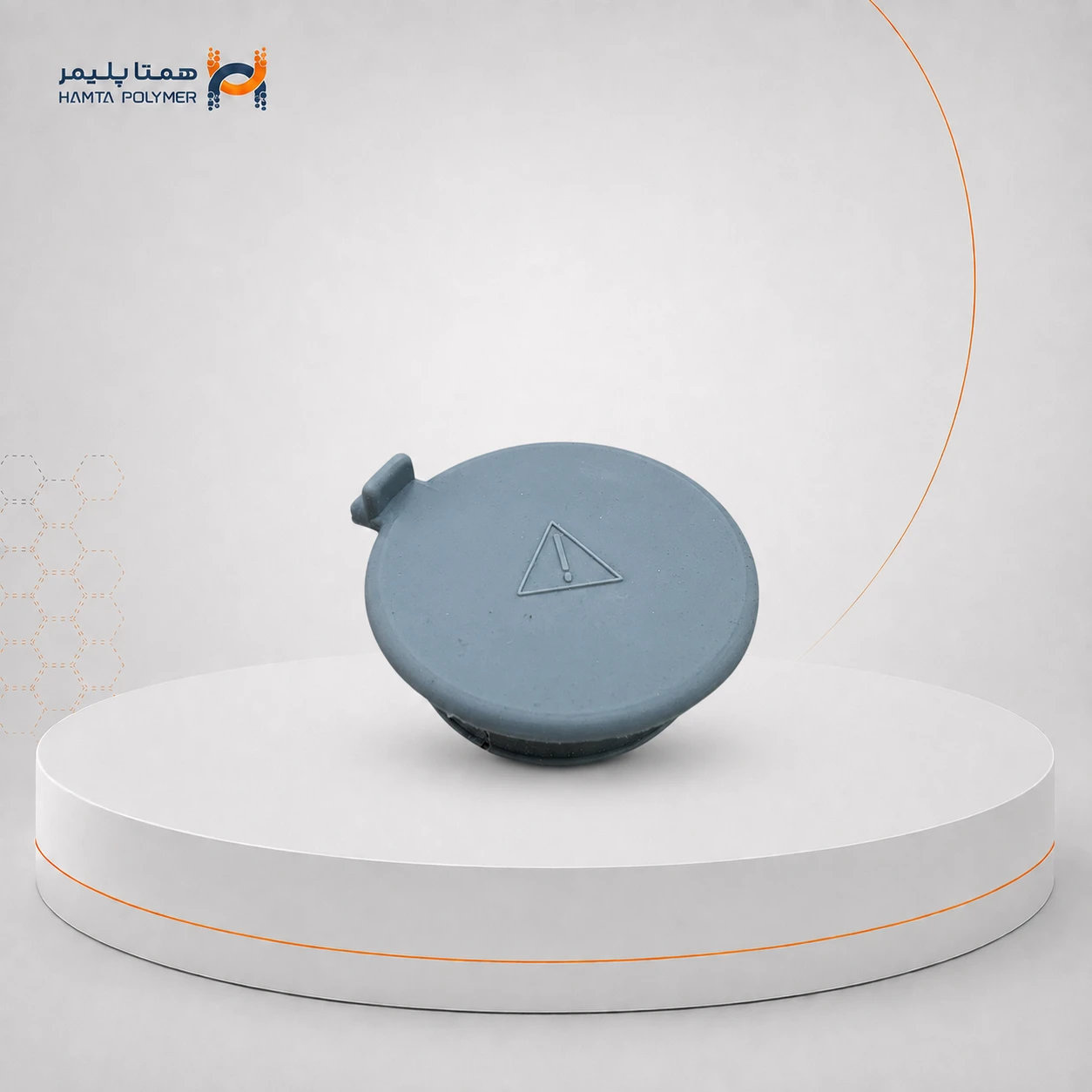 Silicone Rubber Parts
Protective Silicone Collar
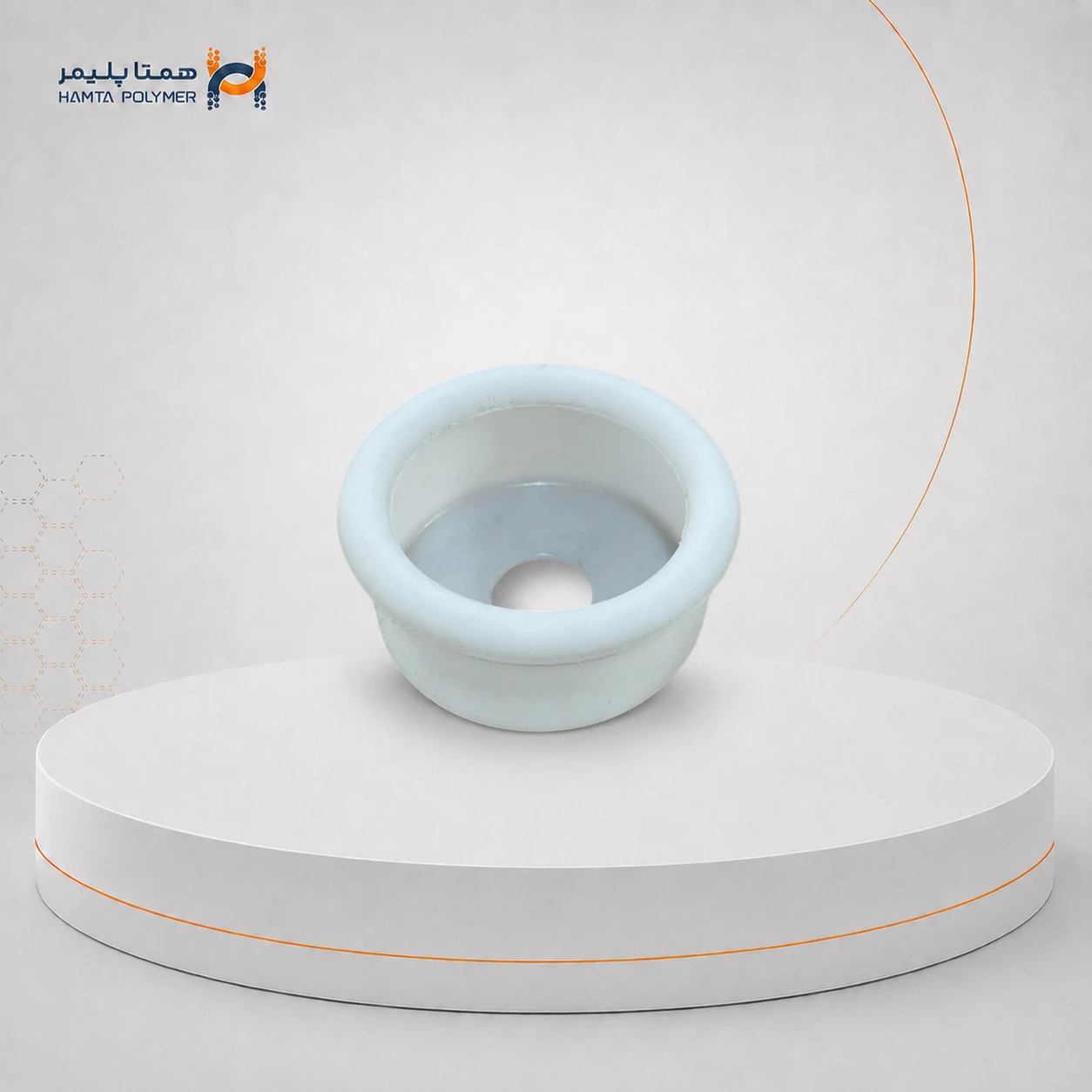 Silicone Rubber Parts
Thermal Silicone Strip
Silicone parts stay flexible from −55 to +220 °C — wider than almost any other elastomer. Hamta Polymer molds and extrudes custom hoses, O-rings, gaskets and strips in VMQ, FVMQ (oil-resistant) and LSR (precision, high volume), transparent or colored, with food-contact grades documented per order.
Silicone earns its place in industrial parts through low-temperature flexibility, thermal stability and strong UV/ozone resistance. But usable temperature range and food-contact suitability are not universal properties of anything called "silicone" — they depend on the specific formulation, contact conditions and the compound's own documentation.
Hamta Polymer manufactures silicone hoses, rings, gaskets and fully custom parts. For food or sanitary applications, define the contact type, temperature, duration and cleaning method before ordering so the right grade is committed with documented compliance.
Where Silicone Rubber Parts are used across industries
Food & beverage
Seals, gaskets and hoses for food and beverage production lines.
Commercial kitchens & bakeries
Mold-press gaskets, cover seals and heat-resistant components.
Electronics & electrical
Bushings and insulating parts rated up to 30 kV.
Automotive
Heat-resistant rings and seals in engine-bay and vehicle electrical components.
Quality assurance for Silicone Rubber Parts
Food-contact documentation review(Applicable regulations on request)
Thermal stability test
Shore A hardness measurement(ASTM D2240)
Ozone and UV resistance test
Optical clarity control (transparent parts)
How our Silicone Rubber Parts are produced
- 1
Receipt of drawing or sample plus color/transparency requirements and food/sanitary approval needs
- 2
Material selection (VMQ / FVMQ / LSR) against temperature, oil exposure and production method
- 3
Process selection: HTV compression molding for lower volumes, or LSR injection for large volumes and tighter tolerances
- 4
First-article cure and QC (hardness, transparency and food-contact approval where applicable)
- 5
Final customer approval, then mass production with per-batch quality control
For engineers and technical buyers — product types, the full material matrix and a precise selection guide.
Silicone Rubber Parts types available from Hamta Polymer
Transparent silicone parts
Full transparency preserved after vulcanization — ideal for clear tubes and hoses that let you monitor fluid flow on food and laboratory lines.
Custom-colored silicone parts
The compound can be pigmented to your required color code, either for visual line identification or to match the final product design.
Food-contact suitable parts
Producible in compounds whose contact-compliance documentation has been verified against your specific food-contact conditions; each case is confirmed against the material certificates and end application.
High-temperature silicone (up to +220 °C)
Special compounds for mold-press gaskets, thermal strips and equipment sealing exposed to very high continuous temperatures.
Electrically insulating parts
Insulation up to 30 kV for bushings and connectors in the electronics and electrical sectors.
Full engineering material matrix for Silicone Rubber Parts
A compound selection guide based on operating temperature, fluid type and mechanical demand — for industrial orders, match the material to the real service conditions.
| Compound | Operating temperature range | Fluid resistance | Key mechanical property |
|---|---|---|---|
| VMQ (standard silicone) | −55 to +220 °C | Air and water steam; low resistance to oils and fuels | The default choice for most food, industrial and electronics applications |
| FVMQ (fluorosilicone) | −60 to +175 °C | Oils, fuels and hydrocarbon solvents — far better oil resistance than VMQ | For seals near oil or fuel that still need silicone-range temperature performance |
| LSR (liquid silicone rubber) | −55 to +220 °C | Similar to VMQ | Injection-molded with tighter tolerances; suited to high volumes and intricate precision parts |
The listed ranges are general material selection guides; final service conditions must be reconciled with the fluid type, pressure, part geometry and order specifications.
How to choose the right Silicone Rubber Parts
Silicone's two mainstream process families are HTV (solid compound + compression mold) and LSR (liquid silicone + injection). The right process follows from geometry, tolerances, quantity and required properties. For direct food or drinking-water contact, review the actual compound's compliance documentation against real use conditions; parts with medical-grade requirements must be evaluated separately against the governing standard and project documentation.
Frequently asked questions about Silicone Rubber Parts
Hamta Polymer silicone parts perform stably from −55 to +220 °C — a far wider window than most other elastomers such as NBR or EPDM.
No. Nothing called silicone is food-safe by name alone. The compound grade, additives, food type, temperature and contact duration must be defined, and the material's own compliance documentation reviewed before ordering.
VMQ is standard silicone for most general applications. FVMQ (fluorosilicone) keeps silicone-range flexibility but adds far better oil and fuel resistance — choose it for environments with oil or fuel contact.
Yes. Transparency survives the vulcanization process, so we can produce fully clear parts — or pigment them to any customer-specified color.
Small quantities with simple geometry suit HTV compression molding; large volumes with tight tolerances and complex geometry justify LSR injection tooling.
Other categories
The full rubber and polymer product range
Industrial O-Rings
7 products
Rubber Packing & Gaskets
7 products
Rubber Diaphragms
8 products
Conveyor Rollers
2 products
Shock & Vibration Dampers
8 products
Rubber Strips & Extruded Profiles
6 products
Flexible Rubber Couplings
4 products
Rubber Dust Boots & Bellows
2 products
Bonded Rubber-Metal Parts
6 products
Miscellaneous Industrial Rubber Parts
10 products
Valve Rubber Components
2 products
Rubber Expansion Joints
1 products
Medical & Lab Equipment Parts
5 products
Ready to order Silicone Rubber Parts?
Send us the dimensions, a drawing or a worn-out sample together with your media, temperature and pressure — our engineering team will come back with the fastest possible quotation and lead time.